

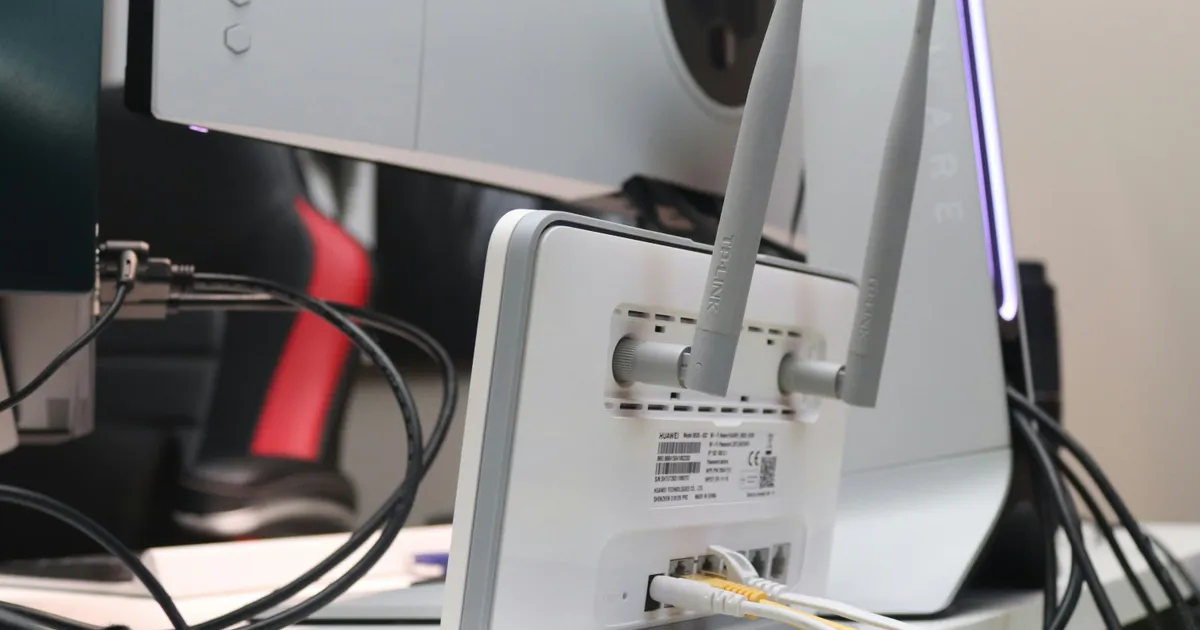

Choosing the right internet service provider (ISP) and connection type can significantly impact your online experience. Fiber, cable, and wireless internet each offer unique advantages and disadvantages in terms of speed, reliability, cost, and availability. Understanding these differences is crucial to making an informed decision that best suits your specific needs and budget. In this comprehensive comparison, we’ll delve into the intricacies of each technology, providing real performance insights to help you navigate the often-confusing world of internet options. This article will provide insights to consider if you are planning on upgrading or changing your internet service in 2026.
Understanding Fiber Internet
Fiber internet utilizes fiber optic cables to transmit data as pulses of light, offering significantly faster speeds and lower latency compared to traditional cable or wireless connections. The dedicated nature of fiber infrastructure means that your connection isn’t as susceptible to slowdowns during peak usage times. This makes fiber an excellent choice for households with multiple users or those who rely on bandwidth-intensive applications like streaming, online gaming, and video conferencing. Fiber connections provide symmetrical upload and download speeds, which are a huge plus for anyone who frequently uploads large files.
However, fiber internet isn’t universally available. Widespread deployment requires significant infrastructure investment, which means fiber is typically found in more densely populated areas or newer developments. Installation can also be complex and may involve running new cables to your home. Despite the potentially higher upfront costs and limited availability, the superior performance of fiber often justifies the investment for those who prioritize speed, reliability, and future-proofing their internet connection. If you are considering moving in 2026, it’s worth checking the availability of fiber internet in your new neighborhood.
Fiber Performance Insights
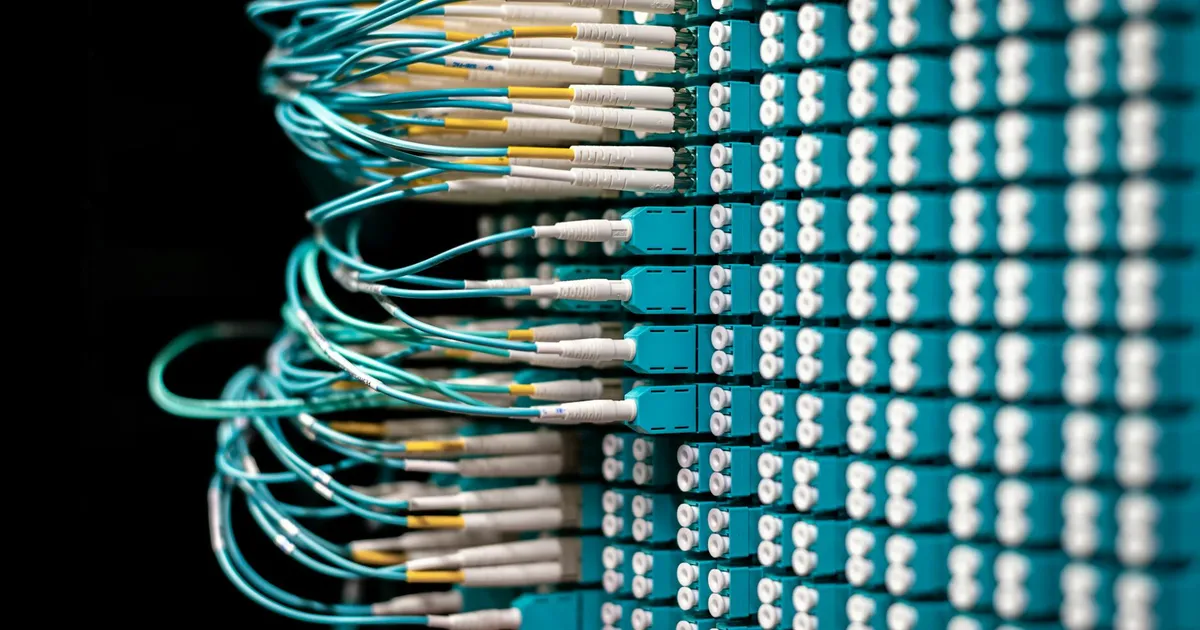
Real-world fiber internet performance often lives up to the advertised speeds. Users frequently report achieving near-symmetrical upload and download speeds, resulting in a smoother, more responsive online experience. Gamers appreciate the low latency and minimal ping, while streamers can enjoy buffer-free 4K content. Fiber is particularly beneficial for households with multiple devices, as the high bandwidth ensures that everyone can enjoy their online activities without experiencing lag or slowdowns. It is important to check reviews and testimonials from other customers in your area since performance can vary based on local infrastructure conditions.
Cable Internet: A Reliable Option
Cable internet, delivered via the same coaxial cables used for cable television, represents a widely available and generally reliable option for many households. While not as fast as fiber, cable can still offer respectable download speeds suitable for streaming, browsing, and basic online productivity. It’s a more established technology, and as cable providers continue to upgrade their networks, cable speeds are steadily increasing. Cable internet might be a suitable alternative if fiber isn’t available in your area and you need a reliable connection for regular internet use.
Cable internet’s shared bandwidth infrastructure means that your speeds can be affected by the number of users in your neighborhood who are online at the same time. During peak hours, you may experience slowdowns. Furthermore, upload speeds are typically significantly lower than download speeds, which can be a drawback for people who frequently upload large files. Despite these limitations, cable remains a popular choice due to its wide availability and competitive pricing.
Wireless Internet: Mobility and Convenience
Wireless internet encompasses a range of technologies that deliver internet access without physical cables. This includes mobile hotspots, fixed wireless access (FWA), and satellite internet. Wireless internet offers the greatest flexibility, allowing you to connect from virtually anywhere with cellular or satellite coverage. Mobile hotspots are great for on-the-go connectivity, while fixed wireless can be an alternative in rural areas where cable and fiber are not available. People who need to frequently travel may find wireless internet is a great connectivity solution.
The performance of wireless internet can vary significantly depending on the technology used, signal strength, and network congestion. Mobile hotspot speeds are largely dictated by cellular coverage, while fixed wireless relies on a clear line of sight to the provider’s base station. Satellite internet, while offering near-global coverage, often suffers from high latency due to data needing to travel long distances to and from orbit. Wireless internet can also be impacted by adverse weather conditions. It is advisable to compare different technologies and weigh the pros and cons when choosing a wireless internet solution.
Cost Comparison: Fiber vs. Cable vs. Wireless

The cost of internet service varies greatly depending on the provider, plan, and location. Generally, fiber internet tends to be more expensive than cable, reflecting its superior performance and infrastructure costs. Cable internet offers a balance between price and performance, while wireless options can range from affordable mobile hotspots to pricier satellite plans. Introductory promotional offers are often available, but be sure to consider the ongoing monthly costs after the promotion expires.
It’s important to factor in other associated costs, such as installation fees, equipment rental fees, and data caps. Some providers may bundle internet service with other services like cable television or phone, which can offer cost savings. Wireless plans often come with data caps, and exceeding these limits can result in additional charges or throttled speeds. Carefully compare the total cost of ownership for each option, taking into account your usage patterns and budget.
Reliability and Downtime

Fiber internet is generally considered the most reliable option due to its robust infrastructure and immunity to electromagnetic interference. Cable internet is also relatively reliable, but can be susceptible to outages caused by cable damage or network congestion. Wireless internet is usually the least reliable, with performance affected by signal strength, weather conditions, and network congestion. Consider the reliability based on the infrastructure around your area.
When evaluating reliability, check customer reviews and look for providers with a good track record of uptime. Consider the provider’s service level agreement (SLA), which outlines their commitment to providing reliable service and any compensation offered in the event of outages. For critical applications, it may be worth considering a backup internet connection to ensure continuous connectivity. Understanding the strengths and weaknesses of each option based on your area is important.
Availability and Geographic Considerations
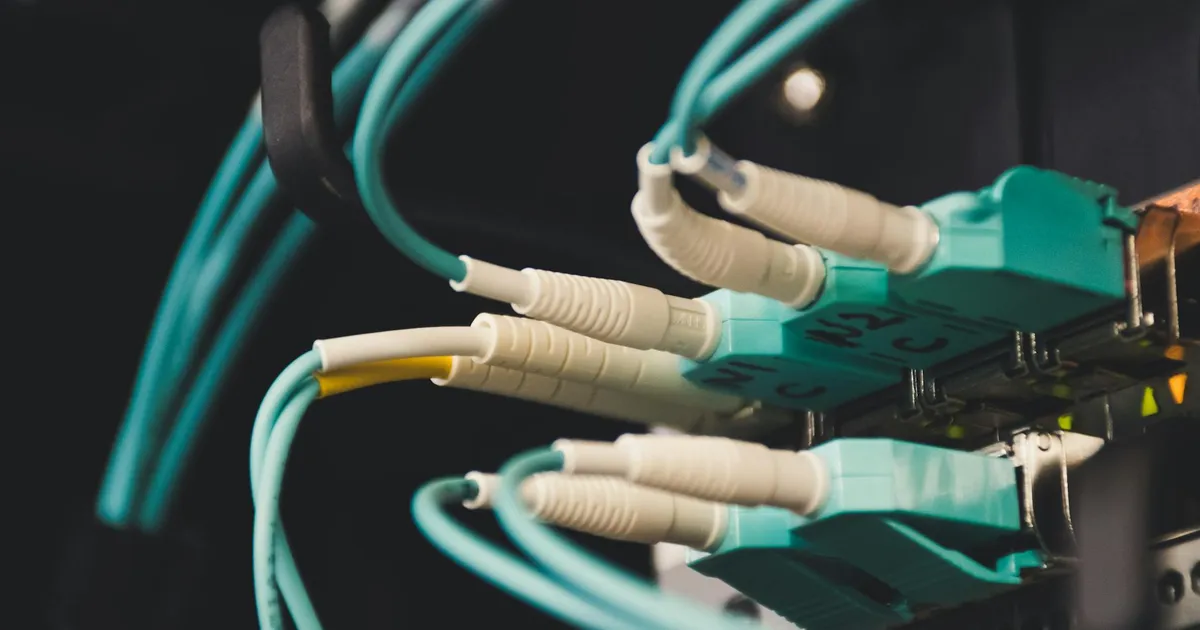
Availability is a key factor when choosing an internet service provider. Fiber internet, while offering superior performance, is often limited to urban areas and newer developments. Cable internet has a wider footprint, particularly in suburban areas. Wireless internet offers the broadest coverage, with mobile hotspots and satellite internet providing access in rural and remote locations where other options aren’t available. Availability may change slightly in the coming years, but significant expansion is not expected by 2026.
To determine availability in your area, use online tools from ISPs to enter your address and check which services are offered. You can also consult the Federal Communications Commission (FCC) broadband map, which provides detailed information on broadband availability across the United States. Keep in mind that advertised speeds may not always be achievable, so it’s helpful to check customer reviews and testimonials to gauge real-world performance in your location. Always consider the current infrastructure of the area you reside in.
Key Takeaways
- Fiber internet offers the fastest speeds and lowest latency but is the least available and often the most expensive.
- Cable internet provides a good balance of price and performance and has wider availability than fiber.
- Wireless internet offers maximum mobility and coverage but can suffer from inconsistent performance and data caps.
- Consider your internet usage patterns and budget when making your decision.
- Check customer reviews and provider uptime records to assess reliability.
- Verify availability and speeds in your specific location using online tools and resources.
Frequently Asked Questions
What is the difference between upload and download speed?
Download speed refers to the rate at which you can receive data from the internet, such as when streaming a video or downloading a file. Upload speed refers to the rate at which you can send data to the internet, such as when uploading a file or participating in a video conference.
Is fiber internet worth the extra cost?
For users who prioritize speed, low latency, and symmetrical upload/download speeds, fiber internet is often worth the additional cost. It’s a great option for households with multiple users or those who rely on bandwidth-intensive applications.
What factors affect wireless internet speed?
Wireless internet speed can be affected by signal strength, network congestion, the number of connected devices, and the distance from the router or base station. Weather conditions can also impact performance in some cases.
Can I bundle internet with other services?
Yes, many internet service providers offer bundled packages that combine internet with cable television, phone service, or mobile services. Bundling can often result in cost savings compared to purchasing each service separately.
How do I choose the right internet speed for my needs?
The ideal internet speed depends on your usage patterns. For basic browsing and email, a lower speed may suffice. For streaming, online gaming, and video conferencing, a higher speed is recommended, especially if multiple users are sharing the connection. Use online tools to estimate appropriate speeds for your household.
Conclusion
Choosing the right internet service involves weighing the trade-offs between speed, reliability, cost, and availability. Fiber offers top-tier performance but limited reach, while cable provides a balance of speed and accessibility. Wireless provides the most coverage but can be inconsistent. Assessing your specific needs, researching providers in your region, and checking customer feedback will help you select the option that best suits your lifestyle and budget. Consider advancements expected by 2026 when making your final decision. By considering these factors, you can ensure a superior connectivity experience for years to come.