


Choosing the right broadband provider is crucial in 2026, especially if you’re a gamer, streamer, or someone who works from home. The internet connection isn’t just about browsing anymore; it’s about seamless streaming, lag-free gaming, and reliable video conferencing. Selecting the wrong provider can lead to frustrating experiences, costing you time, money, and even professional opportunities. That’s why it’s essential to conduct a thorough evaluation process, comparing providers based on your specific needs and usage patterns. This guide will equip you with the knowledge you need to make an informed decision and secure the best possible broadband service for your demands.
Understand Your Bandwidth Needs
Before you even begin comparing providers, take stock of your internet usage. How many devices are typically connected at the same time? What activities do you engage in regularly? Gamers need low latency and symmetrical speeds for smooth gameplay, while streamers require high upload speeds to broadcast their content seamlessly. Remote workers often rely on stable connections for video calls and large file transfers. Estimate your peak bandwidth usage to determine the minimum speeds you need to comfortably support your online activities. Remember to account for future needs as your household’s internet usage grows.
Consider that streaming video, especially in 4K resolution, consumes significant bandwidth. Online gaming is highly sensitive to latency, also known as ping, impacting response times. Multiple users on the same network simultaneously engaging in these activities will strain the connection, so factoring this in will help avoid issues. Run speed tests at different times of the day to get a realistic picture of your current broadband performance. This informs the areas where your service falls short. Services like Speedtest.net can help gauge your current speed and whether a new broadband provider is required.
Assessing Gaming Requirements
For gaming, download speed is important but low latency (ping) is critical. A higher download speed allows you to quickly download games and updates, while a low ping ensures your actions are registered quickly in online games, preventing lag and improving your overall experience. Look for providers that advertise low latency or are known for gaming performance. Be aware that these plans may come at a premium. Also, consider whether symmetrical upload speeds (equal up and down) are important. Some games, and game streaming significantly benefit from good upload rates. The best broadband for gaming will depend on the types of games you play and whether you stream.
Available Broadband Technologies

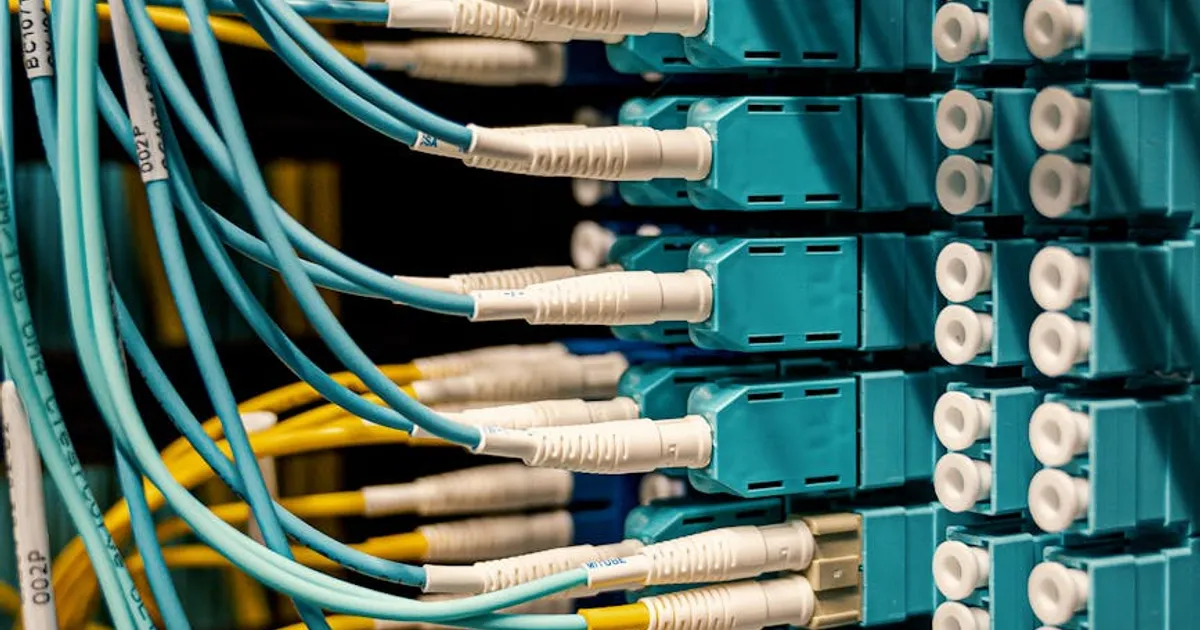
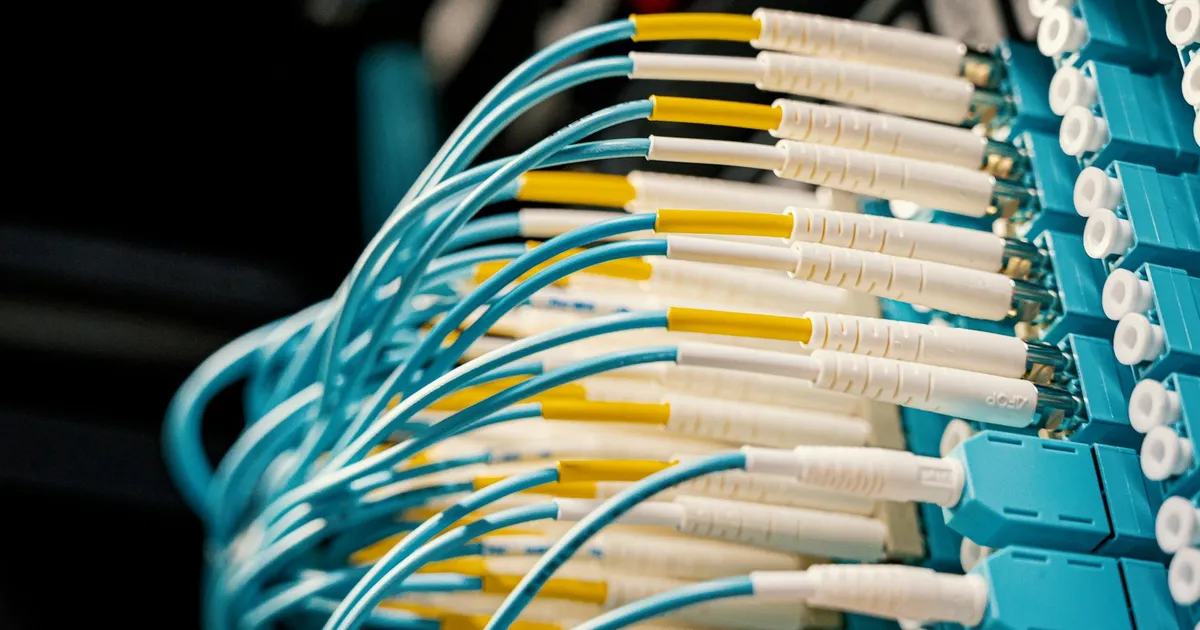
Different broadband technologies offer varying speeds and reliability. Cable internet is widely available and offers decent speeds for most users. Fiber optic internet provides the fastest speeds and lowest latency, making it ideal for gaming and streaming but might not be available in all areas. DSL is an older technology that uses telephone lines, offering slower speeds but wider availability. Satellite internet is an option in rural areas with limited access to other technologies, but it often suffers from high latency and data caps. Understanding these differences is the first step to making an informed decision.
Fixed wireless broadband is also an option, offering decent speeds in some rural or underserved areas. However, this technology can be susceptible to weather conditions and may have limited data caps. Explore the pros and cons of each technology and consider what each provider offers. In 2026, 5G home internet is becoming a more viable option, offering speeds comparable to cable internet in some locations. Evaluate all available options to find the sweet spot between price, performance, and availability for your location.
Compare Speed and Price
Once you know your bandwidth needs and technology options, compare the speeds and prices offered by different providers. Don’t just look at the advertised speeds; read reviews to see if users are actually getting those speeds in real-world conditions. Pay attention to the fine print, as introductory prices often increase after a certain period. Examine the total cost of ownership, including installation fees, equipment rentals, and data overage charges. Use comparison websites to easily see how different providers stack up against each other in terms of speed, price, and features.
Consider the value proposition beyond just the price. Does the provider offer unlimited data, or will you incur extra charges for exceeding your monthly data limit? Are there any bundled services, like TV or phone, that could save you money? What is the provider’s customer service reputation like? All these factors contribute to the overall value of the broadband service. Look beyond the introductory specials and evaluate the long-term reliability, price stability, and customer satisfaction ratings before making a final decision.
Assess Service Reliability and Customer Support
Broadband reliability is paramount if you rely on your internet connection for work or streaming. Look for providers with a proven track record of uptime and minimal service disruptions. Check independent reviews and forums to see what other customers are saying about the provider’s reliability and customer support. Even the fastest internet connection is useless if it’s constantly going down. Proactive customer support is essential. If you need help, how easy is it. Are the agents helpful?
Customer support is equally important. A reliable provider should offer multiple channels for support, including phone, email, and chat. Check the provider’s website for information on their support hours and response times. Read reviews to see if customers are generally satisfied with the quality of the support they receive. Look for signs that the provider is responsive to customer concerns and actively works to resolve issues. A broadband provider with excellent support can make all the difference when troubleshooting connectivity problems or simply understanding your bill.
Review Contracts and Data Caps

Before committing to a broadband provider, carefully review the fine print of the contract. Pay attention to the length of the contract, as early termination fees can be substantial. Check whether the contract includes any automatic renewal clauses that could lock you into another term without your explicit consent. Understand the provider’s data cap policy. Some providers impose strict data caps, while others offer unlimited data. If you frequently stream video or download large files, an unlimited data plan is essential to avoid overage fees.
Data caps can significantly impact the overall cost of your broadband service. Calculate your average monthly data usage and make sure the provider’s data cap (if any) is sufficient. If you exceed your data cap regularly, you may be better off paying a little more for an unlimited data plan. Also, be aware of any throttling policies. Some providers may slow down your speeds during peak hours to manage network congestion, even if you have an unlimited data plan. These details are often buried in the terms of service, so it’s important to read them carefully before signing up.
Consider Future Scalability

Think about how your internet needs may change over time. Will your current plan be sufficient if you add more devices to your network or start streaming in higher resolutions? Consider providers that offer flexible plans that allow you to easily upgrade your speeds as your needs grow. Look for providers that are investing in the latest broadband technologies, such as fiber optic, to ensure they can keep up with increasing bandwidth demands. Future-proofing your broadband connection can save you the hassle of switching providers later on.
Evaluate how the provider’s network infrastructure is evolving. Are they expanding their fiber optic network to more areas? Are they investing in increasing their network capacity to handle growing bandwidth demands? A provider that is committed to upgrading its infrastructure is more likely to provide reliable and high-performance internet service in the future. Don’t just focus on your current needs; consider how the provider’s offerings align with your long-term internet aspirations.
Key Takeaways
- Assess your bandwidth needs for gaming, streaming, and work.
- Compare available broadband technologies and their pros/cons.
- Evaluate speed and price from multiple providers to find the best value.
- Check service reliability and customer support reviews.
- Carefully review contracts, data caps, and throttling policies.
- Consider your future scalability requirements.
Frequently Asked Questions

What is a good download speed for gaming?
For a smooth gaming experience, a download speed of at least 25 Mbps is recommended, but 50 Mbps or higher is ideal, especially if you play multiplayer games or download large game files frequently. Low latency (ping) is more crucial than raw download speed for online gaming.
What is the best type of internet for streaming?
Fiber optic internet is generally considered the best for streaming due to its high speeds, low latency, and symmetrical upload/download capabilities. Cable internet is a viable alternative if fiber isn’t available.
How much upload speed is needed for live streaming?
For live streaming, you’ll need a reliable upload speed. A minimum of 5 Mbps is recommended for streaming in standard definition (720p), while 10 Mbps or higher is needed for high definition (1080p). 4k streaming requires considerably higher rates, often 25mbps or more.
Are data caps really a problem?
Data gaps can be a significant problem if you stream video, download large files, or have multiple users in your household. Monitor your data usage and choose a plan with sufficient data or an unlimited data option.
How can I test my internet speed?
You can use online speed test tools like Speedtest.net or TestMy.net to measure your download speed, upload speed, and ping. Run the tests at different times of the day to get an accurate picture of your connection’s performance. Make sure to close other programs so testing is accurate!
Conclusion
Choosing the right broadband provider requires a thorough evaluation of your needs, available technologies, and provider offerings. Consider your bandwidth usage, gaming requirements, streaming habits, and work-from-home demands. Compare speeds, prices, reliability, and customer support from a variety of providers. In 2026, with remote work and online entertainment becoming increasingly prevalent, securing a reliable and high-performance broadband connection is more important than ever. Take your time, do your research, and select a provider that can meet your current and future needs.