



Consistent high-speed connectivity is no longer a luxury, but a necessity for everything from remote work and online learning to streaming entertainment and smart home management. Choosing the best internet service provider (ISP) can be a daunting task, given the plethora of options and varying technologies available. This article provides an expert comparison of leading ISPs, focusing on factors that contribute to reliable and consistently fast internet service crucial for today’s connected lifestyles. We will delve into the different types of internet connections, assess the performance of major providers, and offer guidance to help you select the ideal ISP for your specific needs in 2026.
Understanding Internet Connection Types

Several types of internet connections are available, each with its own strengths and weaknesses. Cable internet, delivered via coaxial cables, is a popular choice, offering relatively high speeds and widespread availability. However, cable internet performance can be affected by network congestion during peak hours, as bandwidth is shared among users in the same area. DSL (Digital Subscriber Line) internet uses existing telephone lines, typically providing slower speeds compared to cable. Its performance degrades with distance from the provider’s central office. Understanding these differences is crucial in assessing which type of connection might perform best for your location.
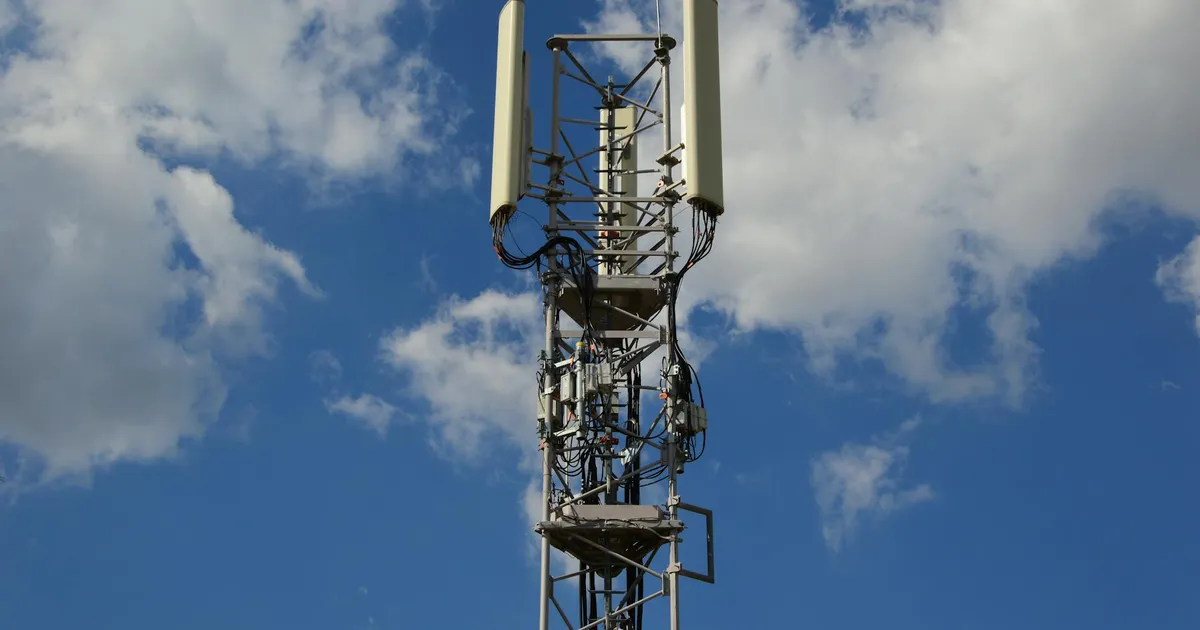
Fiber optic internet represents the gold standard, utilizing strands of glass or plastic to transmit data at incredibly high speeds, often exceeding 1 Gbps. Fiber offers the most consistent performance, as it is less susceptible to interference and bandwidth limitations than cable or DSL. Satellite internet provides coverage in remote areas where other options are unavailable, but it generally suffers from higher latency and less consistent speeds due to the distance data must travel to and from space. Fixed wireless internet offers another alternative, transmitting data wirelessly from towers to homes or businesses. Availability and performance vary depending on location and line of sight.
Fiber Optics: A Closer Look

Fiber optic internet has revolutionized high-speed connectivity, providing users with significantly faster upload and download speeds. This technology’s robustness also translates to less latency for online gaming and video conferencing. While it may have a limited footprint currently, expansion is ongoing. Choosing a fiber ISP grants optimal performance and bandwidth for households relying on intensive internet activities, allowing for minimal bandwidth congestion in 2026. The advantage lies in its infrastructure; pure fiber optic cables transmit data near the speed of light.
Key Factors in ISP Performance

Beyond the type of connection, several key factors determine the actual performance of an ISP. Speed, naturally, is paramount. Look beyond advertised speeds and check independent speed test results for your area. Latency, often measured in milliseconds, is the delay that occurs when data travels between your device and a server. Lower latency is crucial for real-time applications. Upload speeds are frequently overlooked, but are equally important for video conferencing, large file transfers, and cloud backups. Consistent high speed connectivity should feature balanced download and upload speeds.
Reliability is another critical attribute. Check customer reviews and look for ISPs with a proven track record of minimal downtime and outages. Customer support is similarly important. A responsive and helpful support team can quickly resolve any technical issues. The presence of data caps can also affect the value provided by any ISP. An unlimited data plan is preferable for heavy internet users. Also examine the contract terms; some ISPs lock you into long-term agreements, hindering your ability to switch providers if you are unsatisfied.
Comparing Top Internet Service Providers
Several major ISPs dominate the market, each with its own strengths and weaknesses. Major cable providers often offer competitive speeds and bundled services, but their customer service can be inconsistent. Large telecommunications companies provide DSL and fiber options, offering a broader range of plans and services. Regional ISPs can provide more personalized service and competitive pricing in specific areas. Comparing different ISPs starts by ascertaining what are the various options available for your specific address, factoring in technological limitations.
When comparing ISPs, consider pricing, promotional offers, and bundled packages. While advertised prices might seem attractive, be sure to factor in installation fees, equipment rental charges, and any taxes or surcharges. Read customer reviews and check independent ratings to gauge customer satisfaction. Look for ISPs that offer transparent pricing, flexible plans, and reliable performance. By rigorously comparing your options, you will find the ideal balance between cost and quality for unparalleled consistent connectivity.
Assessing Your Internet Needs
Before choosing an ISP, it’s essential to assess your specific internet needs. Consider the number of devices connected to your network and the types of activities you typically engage in. A single user who primarily browses the web and checks email will have very different needs than a family of five who stream videos, play online games, and work from home. Also, factor in remote work or school requirements into the equation. A household supporting multiple bandwidth-intensive tasks simultaneously requires a robust connection from a qualified ISP.
Based on your usage patterns, determine the minimum download and upload speeds you require. For streaming high-definition videos, a download speed of at least 25 Mbps is recommended. Online gaming requires low latency and consistent speeds. If you frequently upload large files or participate in video conferences, consider an ISP that offers symmetrical speeds (equal upload and download speeds). By carefully measuring your current usage and anticipating future needs, you can select an ISP and plan that meet your needs without overspending on unnecessary bandwidth.
The Impact of Emerging Technologies
The internet service landscape is constantly evolving, with emerging technologies promising to further enhance connectivity. 5G home internet is gaining traction, offering wireless broadband access with competitive speeds. This technology is particularly useful where wired infrastructure is limited. Low Earth Orbit (LEO) satellite internet services, such as those offered by Starlink, aim to provide global coverage with improved latency compared to traditional satellite internet. These new satellite options show promising avenues to improve internet options in locations otherwise not accessible.
Another key trend is the increasing adoption of Wi-Fi 6 and Wi-Fi 6E routers, which boost network performance and capacity within the home or office. These technologies help to optimize the use of available bandwidth and reduce congestion. Consumers should actively seek providers adopting these technologies to maximize their connectivity potential. As more devices and applications require higher bandwidth, these new technologies play a vital role in ensuring a seamless and reliable internet experience across the board.
Troubleshooting Common Internet Issues

Even with the best ISP, occasional internet issues may arise. Common problems include slow speeds, intermittent connectivity, and complete outages. Often, these issues can be resolved with basic troubleshooting steps, such as restarting your modem and router. Check the cabling connecting your devices to ensure everything is securely plugged in. Run a speed test to verify your actual internet speed.
If the problem persists, contact your ISP’s customer support team. They may be able to diagnose the issue remotely or schedule a technician visit. For recurring problems, consider investing in a more advanced router. In addition, performing routine maintenance can resolve common issues early on. Also, be proactive in keeping security software up to date to avert attacks that can slow down your connection. If the problem persists, and you have exhausted all other methods, a change in provider might be in order.
Key Takeaways
- Fiber optic internet is the fastest and most reliable option for consistent high-speed connectivity, offering superior performance compared to cable and DSL.
- Evaluate your specific needs based on the number of devices, the types of online activities you undertake, and your desired bandwidth.
- Compare speed, latency, reliability, customer support, and contract terms before selecting an ISP in 2026.
- Consider emerging technologies like 5G home internet and LEO satellite broadband, especially if wired options are limited.
- Troubleshoot common internet issues by restarting your modem and router, checking cabling, and contacting your ISP’s support team.
- Unlimited data plans are preferable for users engaging in large downloads, frequent streaming, or remote working.
Frequently Asked Questions

What is the best type of internet connection?
Fiber optic internet is generally considered the best option due to its high speeds, low latency, and consistent performance. However, availability varies by location.
How much internet speed do I need?
The required speed depends on your usage patterns. For basic browsing and email, 25 Mbps may suffice, but for streaming, gaming, and multiple users, 100 Mbps or higher is recommended.
What is latency, and why is it important?
Latency is the delay in data transmission. Low latency is crucial for real-time applications like online gaming and video conferencing to ensure a smooth, responsive experience.
How can I improve my Wi-Fi signal?
Position your router in a central location, away from obstructions. Consider upgrading to a Wi-Fi 6 router or using a mesh Wi-Fi system to extend coverage.
What should I do if my internet is slow?
Start by restarting your modem and router. If the problem persists, contact your ISP to troubleshoot the issue.
Conclusion
Choosing the right internet service provider for consistent high-speed connectivity requires careful consideration of various factors, including connection type, speed, reliability, and customer support. By assessing your specific needs, comparing available options, and staying informed about emerging technologies, you can make an informed decision to secure a reliable internet experience. In 2026, a robust broadband connection is vital for keeping pace in an increasingly digital world. Research is key to finding the service and provider that best fit your lifestyle choices and needs.