


Finding affordable Gigabit internet plans for large households is no longer a luxury, but a fundamental necessity for modern families navigating the digital landscape of 2026. As remote work, high-definition cloud gaming, and 8K streaming become standard household activities, the demand for bandwidth has skyrocketed. A typical family of five now juggles dozens of connected devices simultaneously, from smart appliances to personal tablets and high-performance workstations. Securing a connection that offers symmetrical speeds without breaking the monthly budget requires a strategic approach to evaluating providers, promotional pricing, and hardware requirements. By understanding the infrastructure available in your local area, you can effectively balance the need for massive data throughput with the reality of household financial management in an increasingly connected world.
Quick Facts & Statistical Insights
In 2026, the average household connects over 25 devices, up 15% from previous years. Fiber-optic penetration has reached 65% of urban residential zones, significantly lowering the cost per gigabit. Studies from the FCC indicate that 90% of large families experience significant performance degradation during peak evening hours if they remain on sub-500 Mbps plans. Experts note that adopting Wi-Fi 7 hardware is now essential to actually utilize the full capacity of a gigabit-tier subscription effectively.
Understanding Bandwidth Needs
The primary driver for upgrading to gigabit service is the cumulative bandwidth strain placed on a network by multiple concurrent high-demand users. In a large household, one person might be attending a video conference while another is downloading large software updates and a third is streaming ultra-high-definition media. When these activities occur simultaneously, lower-tier plans often suffer from buffer bloat and latency spikes. Gigabit connections provide the necessary overhead to ensure that no single user’s activity negatively impacts the digital experience of others in the residence.
Furthermore, the shift toward cloud-based computing means that data is constantly traveling between your devices and remote servers. This requires not just high download speeds, but also consistent upload speeds. While many cable-based plans offer asymmetrical speeds, fiber-based gigabit offerings typically provide symmetrical performance. This is a critical advantage for families where multiple members are uploading large files for school or professional projects. Investing in a robust plan helps future-proof your home against the inevitable increase in data-heavy applications that will define the digital ecosystem throughout the remainder of 2026.
Comparing Provider Technologies
Fiber vs. Cable vs. 5G Home Internet
Choosing the right connection type is as important as the speed tier itself. Fiber-optic technology remains the gold standard for large households because it uses light to transmit data, resulting in minimal interference and superior reliability. Unlike cable networks that share bandwidth across a neighborhood, dedicated fiber lines offer a more stable connection during peak usage hours. This stability is the difference between a seamless video call and a disconnected meeting, making fiber the preferred choice for families who rely heavily on home-based work and education.
Cable internet, while widely available and often more affordable, relies on existing coaxial infrastructure. While modern DOCSIS 4.0 deployments are bringing gigabit speeds to cable networks, they can still experience congestion. Meanwhile, 5G home internet has emerged as a disruptive force, offering competitive pricing and rapid deployment for those living in underserved areas. However, its performance can fluctuate based on physical distance from the cell tower and weather conditions. For a large household, the decision should be based on your specific location’s infrastructure maturity and the consistency of the provider’s local node performance.
Strategies for Reducing Costs
The sticker price of a gigabit plan is often negotiable if you approach providers with a plan of action. Many internet service providers offer significant promotional discounts for the first 12 to 24 months of service. To maximize your savings, keep a calendar of when your promotional rate expires and be prepared to contact the retention department. Often, these departments have the authority to apply loyalty discounts or transition you onto a newer, more competitive plan that wasn’t available when you first signed your contract.
Bundling services is another effective method to lower your monthly expenditure. While streaming has replaced traditional cable television for many, some providers offer significant discounts on internet service when bundled with mobile phone plans or smart home security monitoring. Before committing, use resources like the Federal Communications Commission website to research local provider mandates and consumer protections. Avoid renting equipment whenever possible, as the monthly fees for modems and routers can add up to hundreds of dollars over the lifespan of your service agreement; purchasing your own hardware is almost always more cost-effective.
Comparison Table / Specifications Table
| Feature | Fiber Gigabit | Cable Gigabit | 5G Home Internet | Notes |
|---|---|---|---|---|
| Latency | Ultra-Low | Moderate | Variable | Crucial for gaming |
| Upload Speed | Symmetrical | Asymmetrical | Asymmetrical | Fiber wins for uploads |
| Reliability | High | Medium | Weather Dependent | Fiber is most robust |
| Cost | Moderate/High | Low/Moderate | Very Low | Depends on location |
| Hardware | Needs ONT | Needs Modem | Needs Gateway | Own your router |
| Availability | Growing | Widespread | Limited by Signal | Check local maps |
Optimizing Home Hardware
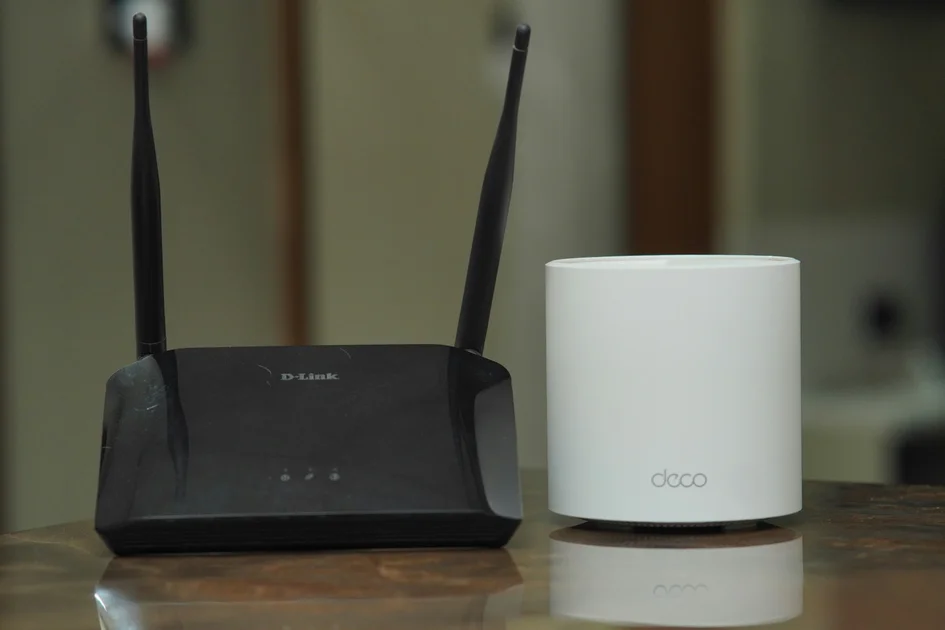
Even the fastest gigabit plan will feel sluggish if your home networking hardware is outdated. In 2026, Wi-Fi 7 is the new standard for handling high device density. A standard ISP-provided router is often insufficient for a large home with many users. Investing in a high-quality mesh networking system can eliminate dead zones and ensure that every room receives a strong signal. When choosing a router, prioritize models that support MU-MIMO technology, which allows the device to communicate with multiple clients simultaneously, effectively managing the traffic of a large household.
Placement of your router is equally vital. Position your main node in a central, elevated location away from thick walls and metal appliances to maximize coverage. If you have a multi-story house, use wired backhaul for your mesh nodes if possible. Connecting stationary devices like desktop computers, gaming consoles, and smart TVs directly to the router via Ethernet cables will free up wireless spectrum for mobile devices. This simple step significantly reduces network congestion and ensures that your gigabit connection is being utilized to its fullest potential across all household devices.
Managing Data and Security
With gigabit speeds comes the temptation to consume unlimited data, but households should remain aware of data caps. While most gigabit plans are marketed as unlimited, some providers bury “fair usage” clauses in their terms of service. Review your agreement to ensure your household’s high-traffic lifestyle won’t trigger throttling or extra fees. Monitoring your data usage through your provider’s mobile app is a proactive way to ensure your habits align with the service terms and prevents unexpected charges at the end of the billing cycle.
Security is another critical aspect of high-speed household networking. With dozens of devices connected, the risk of a single vulnerable IoT device compromising your network increases. Ensure that your router’s firmware is updated regularly and that you are using WPA3 encryption. Many modern routers offer built-in security features, such as network-wide ad blocking and threat detection, which provide an essential layer of protection for every device connected to your network. For further insights on digital safety, visit CISA’s guidance on home network security to stay informed on the latest threats and mitigation strategies.
Key Takeaways
- Prioritize fiber-optic connections for symmetrical speeds and lower latency.
- Purchase your own Wi-Fi 7 mesh hardware to maximize gigabit performance.
- Negotiate promotional pricing every 12-24 months to keep costs low.
- Hardwire high-demand stationary devices to save wireless bandwidth.
- Check terms of service for hidden data caps and fair usage policies.
- Update router firmware regularly to maintain network security and stability.
Frequently Asked Questions
Is a gigabit plan overkill for my family?
For a large household in 2026, a gigabit plan is usually necessary if you have three or more people streaming, gaming, or working simultaneously to prevent network congestion.
Can I get gigabit speeds without a fiber connection?
Yes, modern cable (DOCSIS 4.0) and some 5G home internet services can provide gigabit speeds, though fiber remains the most consistent choice for latency and upload performance.
Should I rent or buy my modem?
It is almost always cheaper to purchase your own equipment. Rental fees often cost more than the price of a high-quality modem over the course of two years.
How do I know if my area supports gigabit internet?
You can use independent broadband mapping tools or visit the websites of major local ISPs and enter your address to receive an instant availability report.
Does Wi-Fi 7 make a difference for gigabit plans?
Yes, Wi-Fi 7 is designed to handle higher throughput and device density, ensuring that you can actually reach gigabit speeds wirelessly across your home.
Conclusion
Navigating the options for affordable gigabit internet requires a blend of technical awareness and savvy consumer habits. By selecting the right connection technology, investing in future-proof hardware, and actively managing your service agreements, you can provide your household with a high-performance digital environment that supports the demands of 2026. While the initial setup requires careful planning, the resulting stability and speed will greatly enhance the daily lives of every member of your family. Stay proactive, keep an eye on emerging technologies, and ensure your home network remains the reliable foundation for all your digital pursuits.