

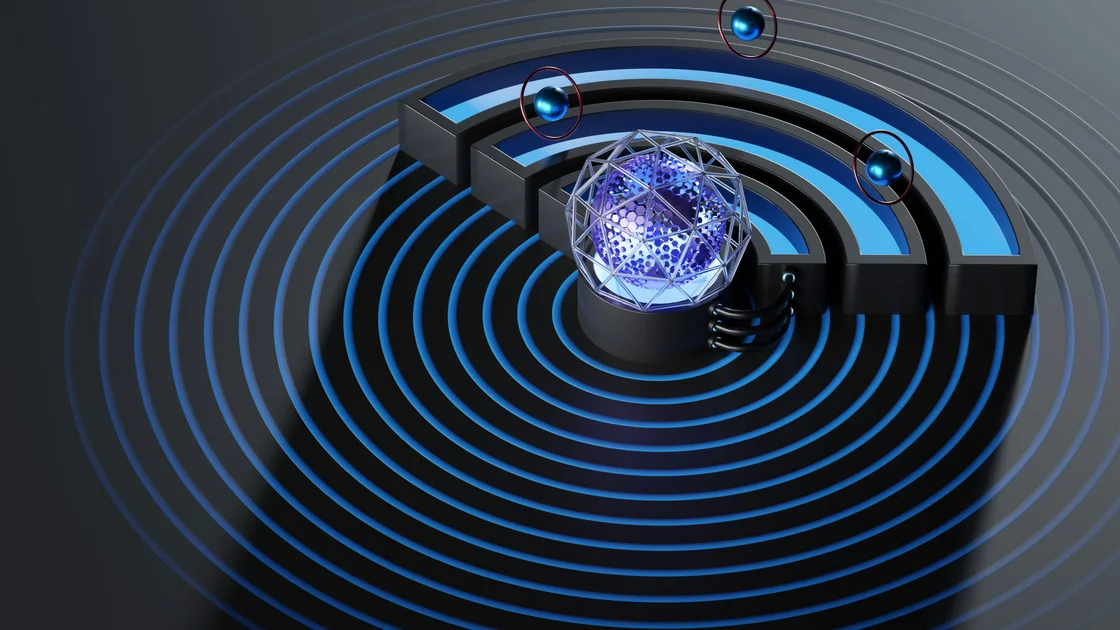

Emerging internet connectivity technologies for smart homes are fundamentally reshaping how we interact with our living spaces in 2026. As the demand for seamless automation, high-definition streaming, and instantaneous device communication grows, the limitations of traditional Wi-Fi are becoming apparent. Homeowners are now pivoting toward robust, low-latency, and high-capacity connectivity solutions that prioritize reliability over simple convenience. From the integration of Wi-Fi 7 to the maturation of Matter-over-Thread and satellite-backed internet, the landscape has evolved into a sophisticated ecosystem designed to support dozens of concurrent devices. Understanding these advancements is essential for anyone looking to future-proof their residence against the increasing data demands of modern, intelligent appliances and security systems that define the contemporary digital household.
The Evolution of Wi-Fi 7
Wi-Fi 7, also known as IEEE 802.11be, has become the gold standard for residential networking in 2026. By utilizing the 6 GHz band and expanding channel widths to 320 MHz, this technology offers unprecedented throughput that dwarfs its predecessors. It is specifically engineered to handle the massive traffic generated by 8K streaming, immersive virtual reality environments, and ultra-high-resolution security cameras. The introduction of Multi-Link Operation (MLO) allows devices to send and receive data across different frequency bands simultaneously, effectively eliminating the bottlenecking issues that previously plagued crowded smart homes. This results in a stable, lightning-fast connection that remains responsive even when every family member is consuming high-bandwidth content simultaneously.
Beyond raw speed, Wi-Fi 7 introduces sophisticated latency management features that are critical for real-time smart home applications. For users interested in the technical specifications and regulatory standards governing these frequencies, the Wi-Fi Alliance provides comprehensive documentation on the certifications required for 2026 hardware. By reducing interference and enhancing signal efficiency, Wi-Fi 7 ensures that smart sensors, voice assistants, and cloud-connected hubs remain synchronized without the annoying lag often associated with older wireless standards. As more manufacturers integrate these chipsets into consumer routers, the average smart home experience is becoming noticeably more fluid, allowing for complex automation sequences that trigger instantly without relying on wired connections for every single peripheral device.
Matter and the Thread Protocol
The interoperability crisis that once defined the smart home industry has finally been addressed through the widespread adoption of the Matter standard. By utilizing Thread as the underlying low-power mesh networking layer, devices from competing manufacturers can now communicate directly with one another without needing multiple proprietary hubs. Thread is a self-healing, IP-based protocol that creates a robust fabric where each battery-operated device can act as a router, extending the range and reliability of the network across the entire home. In 2026, this means that a smart light bulb from one brand can reliably relay signals to a thermostat from another, significantly reducing the “offline” errors that historically frustrated smart home enthusiasts.
The Shift Toward Edge Computing
Because Matter-over-Thread emphasizes local control rather than cloud-based dependency, it provides a crucial layer of security and privacy for homeowners. Data stays within the home network, reducing the risk of external breaches and ensuring that critical functions, such as door locks or security sensors, remain operational even during a total internet outage. This decentralized approach represents a major shift in how we architect domestic connectivity. Experts at Connectivity Standards Alliance highlight that this local-first philosophy is the cornerstone of the modern smart home, enabling faster response times and greater consumer trust in connected technologies as we navigate the complex digital landscape of the current year.
Satellite and 5G Home Internet
For residents in rural or underserved areas, the rise of low-earth orbit (LEO) satellite internet has been a transformative development. By 2026, satellite constellations have matured to provide low-latency, high-speed access that rivals traditional fiber-optic infrastructure. These systems are no longer just for basic browsing; they are now capable of sustaining complex smart home ecosystems, including cloud-synced security cameras and remote monitoring systems. When paired with advanced failover routers, satellite connections serve as a reliable primary or secondary uplink, ensuring that a smart home never loses its connection to the outside world, even during severe weather or infrastructure maintenance in the local neighborhood.
Simultaneously, 5G Fixed Wireless Access (FWA) has become a dominant competitor in suburban markets. By leveraging existing cellular infrastructure, 5G providers offer “plug-and-play” connectivity that eliminates the need for expensive technician installations or physical cable runs. This technology is particularly beneficial for renters or those living in multi-dwelling units where installing new fiber lines is impractical. As 5G network density continues to improve, the reliability of these connections has reached a point where they are indistinguishable from wired broadband for most standard household applications. This accessibility democratizes smart home technology, allowing more people to enjoy the benefits of automation without the traditional barriers of entry related to local ISP availability.
Comparison Table / Specifications Table
| Technology | Key Feature | Primary Use Case | Latency (Typical) |
|---|---|---|---|
| Wi-Fi 7 | Multi-Link Operation | High-bandwidth media/gaming | 1-5ms |
| Thread | Self-healing Mesh | Smart sensors/lighting | 10-20ms |
| 5G FWA | Rapid Deployment | General home internet | 15-30ms |
| LEO Satellite | Global Availability | Rural home networking | 25-50ms |
| Powerline | Wired-over-AC | Dead-zone bridging | 10-40ms |
| Fiber Optic | Highest Throughput | Backbone connectivity | <1ms |
Pros and Cons Analysis
When evaluating the emerging connectivity landscape, homeowners must weigh the significant advantages of modernization against potential technical hurdles. The primary benefit of these new technologies is the sheer stability they bring to a device-heavy environment. With Wi-Fi 7 and Matter, the “smart home” finally feels like a singular, cohesive system rather than a fragmented collection of gadgets. However, the downside is the cost of entry. Upgrading to a full Wi-Fi 7 router system and ensuring all existing devices are compatible with the latest protocols can be a significant financial investment. Furthermore, the complexity of configuring these advanced networks may prove daunting for non-technical users who simply want their devices to “just work” without advanced network management.
Another major consideration is the privacy trade-off inherent in newer, cloud-integrated connectivity solutions. While local protocols like Thread offer excellent privacy, many satellite and 5G providers collect vast amounts of telemetry data to optimize their network performance. Homeowners must be diligent in reviewing the privacy policies of their service providers and manufacturers. Despite these drawbacks, the trend is overwhelmingly positive. As the technology matures in 2026, we are seeing a reduction in the “early adopter tax,” with more affordable hardware becoming available. Balancing these factors requires a measured approach, prioritizing the most critical areas of the home first before scaling up to a fully connected, high-performance residential network.
Powerline and Ethernet Backhaul
Despite the proliferation of wireless tech, wired backhaul remains the gold standard for critical connectivity. Ethernet remains the most reliable method for connecting heavy-duty devices like media servers, desktop workstations, and primary wireless access points. In 2026, many smart home enthusiasts are opting for structured cabling during renovations to ensure that every room has at least one high-speed data port. This wired backbone takes the load off the Wi-Fi spectrum, leaving more airtime available for mobile devices and IoT sensors. By minimizing wireless congestion, homeowners can achieve a level of consistency that is simply impossible to replicate with wireless signals alone, regardless of how advanced the router might be.
For those who cannot run new cables, Powerline technology has seen a resurgence with the adoption of G.hn standards. Modern powerline adapters can leverage existing electrical wiring to transport gigabit-speed data between rooms, providing a stable alternative to Wi-Fi repeaters. While powerline performance can be impacted by noisy electrical circuits or large appliances, the latest generation of hardware includes advanced filtering to mitigate these issues. Integrating these adapters as backhaul for a mesh Wi-Fi system creates a hybrid network that combines the convenience of wireless coverage with the rock-solid reliability of a wired connection, making it an essential tool for retrofitting older homes with modern smart technology.
Key Takeaways
- Wi-Fi 7 is the primary standard for 2026, offering superior speed and multi-link capabilities.
- Matter and Thread have solved the long-standing issue of device interoperability and local control.
- Satellite and 5G FWA provide viable high-speed internet options for rural and suburban homes.
- Wired Ethernet backhaul remains the most reliable way to anchor a high-performance smart network.
- Powerline adapters serve as an effective solution for extending connectivity in legacy buildings.
- Security and privacy should remain top priorities when selecting new connectivity hardware and ISPs.
Frequently Asked Questions
Is Wi-Fi 7 necessary for my current smart home?
It is not strictly necessary for basic sensors, but it is highly recommended if you use 8K streaming, high-resolution cameras, or many concurrent devices.
Does Matter work with my old smart devices?
Many older devices can be bridged to Matter through a compatible hub, but native support is limited to hardware manufactured in recent years.
Is satellite internet fast enough for gaming?
In 2026, LEO satellite systems provide latency low enough for most gaming, though dedicated fiber remains the superior choice for competitive play.
Can I mix different connectivity technologies?
Yes, a robust smart home often uses a hybrid approach, such as Ethernet for backhaul, Wi-Fi 7 for mobile devices, and Thread for small sensors.
How do I secure my smart home network?
Use strong WPA3 encryption, enable guest networks for untrusted devices, and prioritize hardware that supports local-only command processing.
Conclusion
The landscape of emerging internet connectivity technologies in 2026 offers homeowners more control, speed, and reliability than ever before. By strategically combining high-bandwidth standards like Wi-Fi 7 with the interoperable simplicity of Matter and Thread, you can build a resilient digital foundation for your living space. Whether you are upgrading an existing residence or planning a new installation, these advancements ensure that your smart devices work in harmony rather than in competition. As these technologies continue to stabilize and become more accessible, the dream of a truly seamless, responsive, and secure smart home is now a practical reality for every household.