



Understanding internet pricing models is crucial for individuals and businesses heavily reliant on bandwidth-intensive activities like streaming gaming and remote work. As the demand for high-speed, reliable internet continues to grow, especially projected through 2026, various pricing strategies have emerged, each with its own set of advantages and disadvantages. This comprehensive analysis will compare different internet pricing models, examining their suitability for both streaming gaming and remote work scenarios, and empower you to make informed decisions about your internet service.
Data Caps and Overage Fees
Data caps are a common pricing mechanism that limits the amount of data a user can consume within a billing cycle. Exceeding the data cap often results in overage fees, which can significantly increase the overall cost of internet service. For streaming gaming, which involves uploading and downloading large amounts of data for game installations, updates, and live gameplay, data caps can be particularly problematic. Gamers engaging in long gaming sessions or frequent downloads are at risk of incurring substantial overage charges. Remote workers who routinely transfer large files, participate in video conferences, or utilize cloud-based applications may also find data caps restrictive.
The impact of data caps depends heavily on the specific limits imposed by the internet service provider (ISP) and your usage habits. A data cap of 1 TB per month may be sufficient for some gamers and remote workers with moderate internet usage, while others who consume significantly more data may find it inadequate. It’s essential to carefully assess your typical data consumption patterns, including streaming hours, download sizes, and video conferencing frequency, to determine whether a data cap-based plan is suitable. Consider exploring plans with higher data allowances or unlimited data options if your usage is consistently high. Some ISPs offer tools to monitor data usage and send alerts when approaching the cap, helping users to proactively manage their consumption and avoid overage fees.
Alternatives to Data Caps

Fortunately, many ISPs offer alternative pricing models to data caps. One such option is unlimited data plans, which allow users to consume as much data as they need without incurring overage charges. While often more expensive than data cap-based plans, unlimited data can provide peace of mind for heavy internet users who don’t want to worry about exceeding limits. Another alternative is usage-based billing, where the cost of internet service is directly proportional to the amount of data consumed. This model can be advantageous for light internet users whose usage fluctuates, but it can also lead to unpredictable bills if usage spikes unexpectedly.
Tiered Pricing and Bandwidth

Tiered pricing involves offering different internet plans at varying speeds and prices. Typically, faster speeds come with higher monthly costs. For streaming gaming, a high-bandwidth connection is crucial for a smooth, lag-free experience. Gamers need sufficient upload speeds for transmitting their gameplay and voice chat, and download speeds for timely game downloads and updates. Remote workers similarly benefit from higher bandwidth for video conferencing, file sharing, and accessing cloud-based applications. Those regularly using Zoom or other high-bandwidth apps should check their needs against the offered tiers.
When choosing a tiered pricing plan, it’s important to consider not only the advertised speeds but also the actual speeds delivered during peak usage hours. Some ISPs may experience congestion during busy times, resulting in slower speeds than advertised. It’s advisable to check online reviews and speed test results to get a more realistic understanding of the performance you can expect from different ISPs and plans in your area. In 2026, many consumers are making the switch to fiber for the speed and reliability that older copper networks cannot match. Additionally, consider future-proofing your internet connection by selecting a plan with enough bandwidth to accommodate your evolving needs and the increasing demands of streaming gaming and remote work applications.
Promotional Pricing and Contracts
ISPs often offer promotional pricing for new customers, which can be an attractive option for those looking to save money. However, it’s crucial to read the fine print and understand the terms and conditions of these promotions. Promotional prices typically last for a limited time, after which the regular price applies, which can be significantly higher. Additionally, some promotional offers require signing a contract, which can lock you into a specific plan for a certain period, often one or two years. Breaking the contract may result in early termination fees.
For streaming gamers and remote workers, the long-term implications of promotional pricing and contracts should be carefully considered. While saving money upfront is appealing, it’s crucial to ensure that the regular price after the promotional period is still within your budget and that the plan meets your evolving internet needs. If you anticipate changes in your internet usage or bandwidth requirements, a contract may not be the best option, as it can limit your flexibility to switch plans or ISPs. Consider the total cost of ownership over the entire contract period, including promotional discounts and potential price increases, to make an informed decision that aligns with your budget and long-term internet needs. Sites like BroadbandNow can help you keep track of pricing.
Usage-Based Billing and Peering
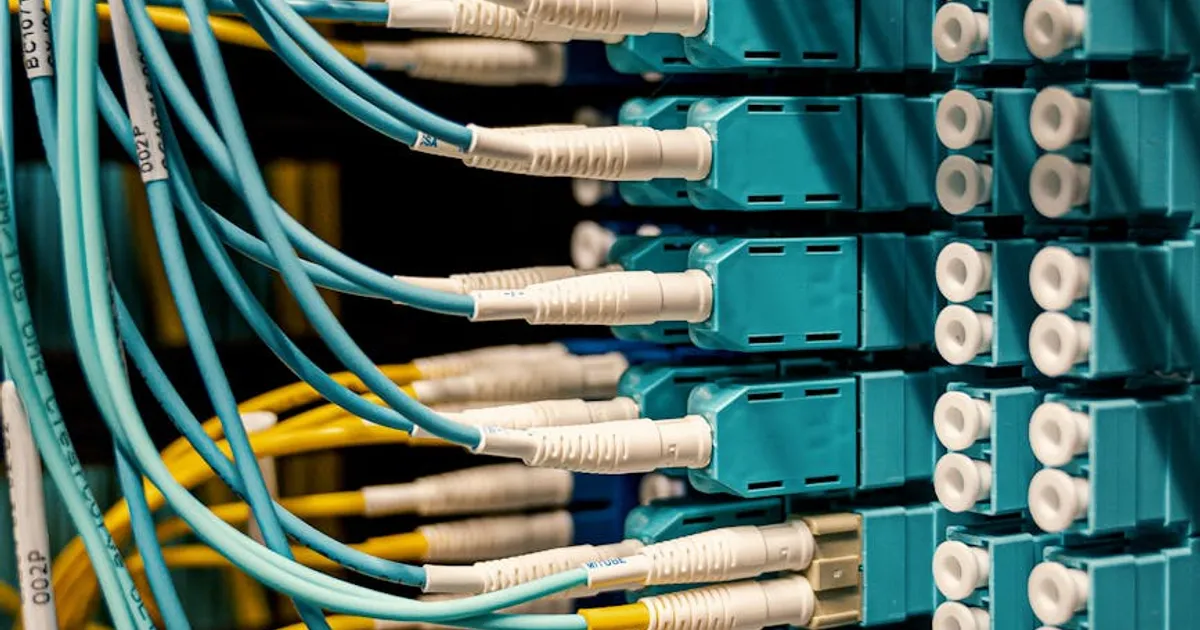
Usage-based billing, where you pay only for the data you consume, may seem appealing, but can be unpredictable. It’s often coupled with complex concepts like peering agreements, where networks exchange traffic. ISPs that have strong peering agreements with major content providers (like Netflix or game download servers) may offer better performance, regardless of the specific pricing model. This efficient traffic exchange can reduce latency and improve speeds, directly benefiting streaming gaming and remote work applications that rely on real-time communication and data transfer.
The quality of peering agreements is often invisible to the average consumer, but it can significantly impact their internet experience. Gamers may experience lower ping times and smoother gameplay, while remote workers may see faster upload and download speeds. When evaluating ISPs, researching their peering policies or looking for reviews that mention performance with specific services can provide valuable insights. Be wary of ISPs that prioritize profits over network optimization, as this can lead to a degraded experience even with high-bandwidth plans. Prioritize services that are transparent about their practices and invested in building a robust and efficient network infrastructure.
Bundling Offers and Service Quality
Bundling internet service with other services like cable TV or phone can often lead to cost savings. However, it’s essential to assess whether you actually need these additional services and whether the bundled price represents a genuine value compared to purchasing each service separately. Poor service quality can negate any cost savings. Consider the ISP’s customer service record, network reliability, and uptime guarantees before committing to a bundled plan. Downtime during critical gaming sessions or remote work tasks can be incredibly disruptive and costly, outweighing any initial savings.
Service Level Agreements (SLAs) are crucial considerations, though usually only offered to business plans. A good SLA will guarantee a certain level of uptime and speed, with penalties for failing to meet those standards. Researching ISP’s reputation via reviews and online forums is a good gauge on how seriously they take service quality, especially in relation to outages and speed throttling during peak times. Remember a bundled discount isn’t a good deal if you’re always on the phone with customer support.
Net Neutrality and Future Pricing Trends

The principle of net neutrality, which dictates that all internet traffic should be treated equally, has significant implications for internet pricing models. If net neutrality is weakened or eliminated, ISPs could potentially prioritize certain types of traffic (such as their own streaming services) or charge different rates for accessing specific websites or applications. This could lead to a tiered internet where accessing certain games or remote work tools could cost extra, potentially creating an unfair playing field for consumers. Stay updated on net neutrality developments to anticipate changes in pricing and potential restrictions on your internet access.
Looking ahead, future internet pricing trends are likely to be shaped by factors such as increasing bandwidth demands, technological advancements, and regulatory changes. The rollout of 5G technology may introduce new competitive pressures, potentially leading to more innovative pricing models and increased investment in network infrastructure. Data privacy concerns may also influence pricing, as consumers may be willing to pay a premium for ISPs that prioritize data security and anonymity. Furthermore, as remote work and streaming gaming become even more prevalent, ISPs may need to adapt their pricing strategies to cater to the specific needs of these user groups, offering more flexible and customized plans. As we approach 2026, expect even more competition.
Key Takeaways

- Understand your data usage needs before choosing a plan.
- Compare tiered pricing plans based on advertised and real-world speeds.
- Carefully evaluate promotional pricing and contract terms.
- Consider the impact of data caps on streaming gaming and remote work.
- Research ISPs’ peering agreements and service quality.
- Stay informed about net neutrality developments and future pricing trends.
Frequently Asked Questions
What is the best internet speed for streaming gaming?

For most modern games, a minimum of 25 Mbps download and 5 Mbps upload speed is recommended for streaming gaming, but higher speeds (50 Mbps or more) are preferable for a smoother experience, especially when streaming at higher resolutions or playing multiplayer games.
How much data do I need for remote work?
The data requirements for remote work vary depending on your job responsibilities. If you primarily use email and web browsing, 500GB might be sufficient. However, if you frequently participate in video conferences, transfer large files, or use cloud-based applications, consider 1TB or more.
Are unlimited data plans worth the cost?
Unlimited data plans are worth the cost if you consistently consume large amounts of data, stream frequently, or don’t want to worry about exceeding data caps. If you consistently stay within data caps, a tiered plan may be more cost-effective.
What are the potential downsides of promotional pricing?
The potential downsides of promotional pricing include higher regular prices after the promotional period, contract requirements, and potential early termination fees. Always read the fine print and understand the long-term cost implications.
How does net neutrality affect internet pricing?
Net neutrality ensures that all internet traffic is treated equally, preventing ISPs from charging differential rates for certain websites or applications. The erosion of net neutrality could lead to a tiered internet with varying prices and access restrictions.
Conclusion
Choosing the right internet pricing model for streaming gaming and remote work requires careful consideration of your individual needs, usage patterns, and budget. Evaluating factors include data caps, bandwidth requirements, promotional pricing, and service quality is critical. By carefully evaluating your requirements and comparing the offerings from different ISPs, you can confidently select an internet plan that provides the speed, reliability, and value you need to enjoy seamless gaming and productive remote work experience, both throughout 2026 and in the years ahead. Make informed decisions and enjoy a seamless experience online.