



The relentless pursuit of faster and more reliable connectivity has fueled incredible advancements in WiFi technology. From handling increasing bandwidth demands to supporting a growing number of connected devices, modern WiFi solutions are revolutionizing home network performance. We’re now experiencing benefits previously confined to enterprise environments, such as improved security protocols, better range, and seamless roaming. Understanding these innovations ensures you can optimize your home network, creating an experience tailored to modern connectivity requirements. Upgrading your network doesn’t have to be daunting; this article aims to demystify the latest WiFi improvements for the everyday user in 2026.
WiFi 6 and WiFi 6E: A Quantum Leap
WiFi 6 (802.11ax) represents a significant upgrade over its predecessors, offering increased speeds, improved capacity, and enhanced efficiency. Central to WiFi 6’s improvements is Orthogonal Frequency Division Multiple Access (OFDMA), which allows a single channel to transmit data to multiple devices simultaneously, reducing latency and improving network responsiveness. Target Wake Time (TWT) is another key feature, enabling devices to sleep for longer periods, thus conserving battery life in IoT devices and mobile devices. These technologies combine to deliver a noticeably smoother and more stable online experience, even with numerous devices connected.
WiFi 6E takes WiFi 6 a step further by utilizing the 6 GHz band, providing additional channels and avoiding the interference that can plague the more congested 2.4 GHz and 5 GHz bands. This expanded spectrum significantly reduces network congestion, resulting in faster speeds and lower latency, especially in densely populated areas or homes with many WiFi-enabled devices. Real-world performance gains are substantial, and upgrading to a WiFi 6E router and compatible devices can lead to a transformative improvement in home network performance. The benefits of WiFi 6E are particularly pronounced when streaming high-resolution video, gaming online, or engaging in other bandwidth-intensive activities.
Understanding the 6 GHz Band
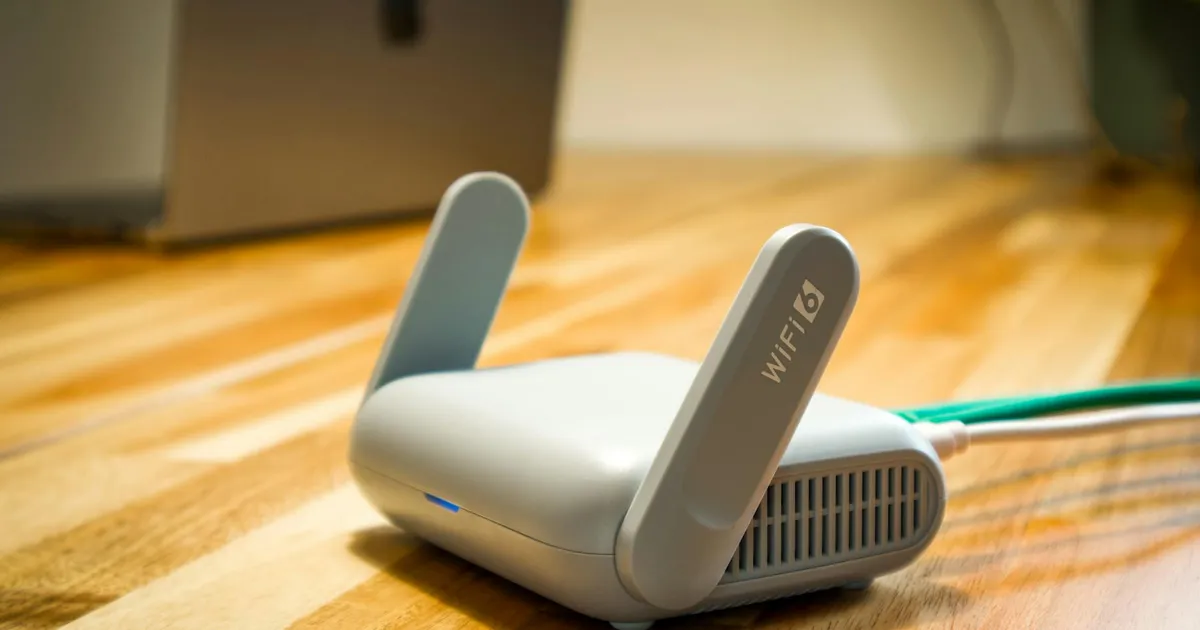
The 6 GHz band offers a clean slate for WiFi, free from the legacy devices and interference that can hamper performance on older bands. This wider channel availability not only supports faster speeds but also enables the use of wider channels, further boosting throughput. However, to take full advantage of WiFi 6E, you need devices that support the 6 GHz band. While more and more devices are adopting WiFi 6E, it’s crucial to verify compatibility to ensure you’re realizing the full potential of this advanced technology. Investing in compatible routers and devices can future-proof your network for years to come. The FCC provides additional information on spectrum allocation, including the 6 GHz band: FCC Website.
Mesh WiFi Systems: Eliminating Dead Zones

Mesh WiFi systems offer a powerful solution for extending WiFi coverage throughout your home, eliminating dead zones and ensuring a consistent signal strength in every corner. Unlike traditional WiFi extenders, which simply repeat the existing signal, mesh systems create a unified network where multiple nodes work together seamlessly. This allows devices to roam between nodes without experiencing any disruption or drop in connection. This is especially useful for larger homes or properties with challenging layouts, where a single router may not be sufficient to provide adequate coverage.
The key benefit of mesh WiFi is its ability to adapt to changing network conditions and optimize performance automatically. The system intelligently routes traffic through the most efficient path, ensuring that devices are always connected to the strongest signal. Setting up a mesh WiFi system is also typically straightforward, with many systems offering intuitive mobile apps that guide you through the process. Furthermore, advanced mesh systems often include features such as parental controls, guest network access, and security enhancements, making them a comprehensive solution for modern home networking needs. Consider reading reviews and comparisons by experts like those at Wirecutter before making a purchase: Wirecutter Reviews.
WPA3: Enhanced Security for Your Wireless Network

Security is paramount in today’s connected world, and WPA3 (WiFi Protected Access 3) represents a quantum leap in wireless security compared to its predecessor, WPA2. WPA3 introduces several enhancements that make it more difficult for attackers to compromise your network and gain access to your data. One key improvement is the use of Simultaneous Authentication of Equals (SAE), which provides stronger protection against password-based attacks, such as dictionary attacks. SAE replaces the pre-shared key (PSK) exchange used in WPA2, eliminating vulnerabilities that could allow attackers to crack passwords more easily.
Another important feature of WPA3 is enhanced data encryption, which protects the confidentiality of your wireless communications. WPA3 uses stronger encryption algorithms, making it significantly more difficult for attackers to intercept and decrypt your data. While WPA3 has been available for several years, adoption has been gradual. To fully benefit from WPA3’s enhanced security, both your router and devices must support the protocol. Many newer devices are now WPA3-certified, and upgrading your router to a WPA3-compatible model is a worthwhile investment in the security of your home network as we move further into 2026.
Multi-Gigabit Ethernet: Breaking the Bandwidth Bottleneck
As WiFi speeds continue to increase, the bottleneck often shifts to the wired connection between your router and your internet service provider (ISP). Multi-Gigabit Ethernet addresses this issue by providing wired connections that exceed the traditional 1 Gigabit Ethernet standard. This technology supports speeds of 2.5 Gbps, 5 Gbps, and even 10 Gbps, ensuring that your wired network can keep pace with the advancements in WiFi technology. For users with high-speed internet plans, Multi-Gigabit Ethernet is essential to fully realizing the benefits of your connection.
Upgrading to Multi-Gigabit Ethernet requires both a router and devices with compatible ports. Many newer routers and network adapters now include Multi-Gigabit Ethernet support, making it easier than ever to deploy this technology in your home network. Furthermore, the cost of Multi-Gigabit Ethernet equipment has been steadily decreasing, making it more accessible to a wider range of users. By upgrading your wired infrastructure to support Multi-Gigabit Ethernet, you can eliminate bottlenecks and ensure that your entire network operates at peak performance. This is crucial for bandwidth-intensive tasks like streaming 4K video, large file transfers, and online gaming.
AI-Powered WiFi Optimization: Self-Healing Networks

Artificial intelligence (AI) is increasingly being integrated into WiFi systems to optimize network performance and enhance user experience. AI-powered WiFi systems can analyze network traffic patterns, identify potential issues, and automatically adjust settings to improve performance. This includes features such as automatic channel selection, which chooses the least congested channel for optimal performance, and dynamic frequency selection, which switches frequencies to avoid interference. These intelligent capabilities help to create a self-healing network that can adapt to changing conditions and maintain peak performance with minimal user intervention.
Furthermore, AI can be used to prioritize traffic based on application type, ensuring that critical applications like video conferencing and online gaming receive the necessary bandwidth for a smooth and uninterrupted experience. AI-powered WiFi systems can also provide valuable insights into network usage, allowing you to identify potential security threats and optimize your network configuration for maximum efficiency. As AI technology continues to evolve, we can expect even more sophisticated features to be integrated into WiFi systems, further enhancing the performance, security, and ease of use of home networks in the coming years.
The Future of Home WiFi
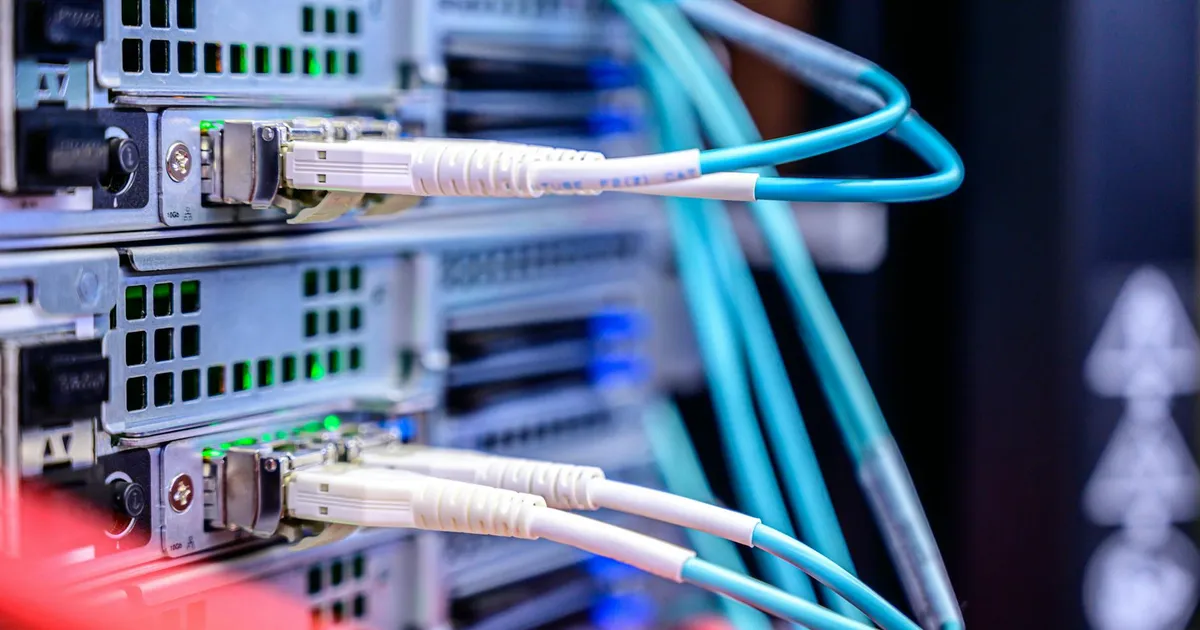
Looking ahead, the future of home WiFi is filled with exciting possibilities. Emerging technologies such as WiFi 7 (802.11be) promise even faster speeds, lower latency, and greater capacity than current standards. WiFi 7 will leverage technologies such as Multi-Link Operation (MLO), which allows devices to simultaneously transmit and receive data on multiple bands. Improvements in antenna technology and beamforming techniques will also contribute to enhanced range and signal strength. These advancements will pave the way for new applications and experiences, such as immersive virtual reality, augmented reality, and seamless integration of smart home devices.
Beyond raw speed and bandwidth, future WiFi systems are likely to be even more intelligent and adaptive. AI will play an even greater role in optimizing network performance, automatically troubleshooting issues, and providing personalized user experiences. Furthermore, security will continue to be a top priority, with ongoing advancements in encryption and authentication protocols to protect against evolving cyber threats. As WiFi technology continues to evolve, it will remain an essential component of the modern home, connecting us to the world and empowering us to do more than ever before in 2026.
Key Takeaways

- WiFi 6 and 6E offer significant improvements in speed, capacity, and efficiency compared to older standards.
- Mesh WiFi systems provide seamless coverage throughout your home, eliminating dead zones.
- WPA3 enhances the security of your wireless network, protecting against password-based attacks and data breaches.
- Multi-Gigabit Ethernet eliminates bottlenecks in your wired network, enabling faster speeds.
- AI-powered WiFi optimization automatically adjusts settings to improve performance and user experience.
- The future of WiFi includes technologies like WiFi 7, promising even faster speeds and greater capacity.
Frequently Asked Questions
What is the difference between WiFi 6 and WiFi 6E?
WiFi 6E extends the benefits of WiFi 6 by utilizing the 6 GHz band, providing additional channels and reduced interference. This results in faster speeds and lower latency, especially in congested environments.
Do I need to upgrade all my devices to benefit from WiFi 6 or WiFi 6E?
While you’ll see the most significant gains with WiFi 6/6E-compatible devices, even older devices will benefit from the improved network efficiency and congestion management offered by these newer standards.
How does a mesh WiFi system work?
A mesh WiFi system consists of multiple nodes that work together to create a unified network. Devices can seamlessly roam between nodes without experiencing any disruption or drop in connection, providing consistent coverage throughout your home.
Is WPA3 compatible with older devices?
WPA3 offers a transitional mode that allows it to work with older devices that only support WPA2. However, for maximum security, it’s recommended to use WPA3 with devices that are fully compatible.
How can AI improve my WiFi performance?
AI-powered WiFi systems analyze network traffic, identify potential issues, and automatically adjust settings to optimize performance. This includes features like automatic channel selection, dynamic frequency selection, and traffic prioritization.
Conclusion
The latest advancements in WiFi technology are revolutionizing home network performance and user experiences. WiFi 6E, mesh systems, WPA3, and other innovations offer significant improvements in speed, coverage, security, and efficiency. By understanding these technologies and taking advantage of the latest products, you can create a robust and reliable home network that meets the demands of today’s connected world. As we look to the future, expect continued innovation and evolution in WiFi, paving the way for even more immersive and seamless connectivity experiences in the coming years.