

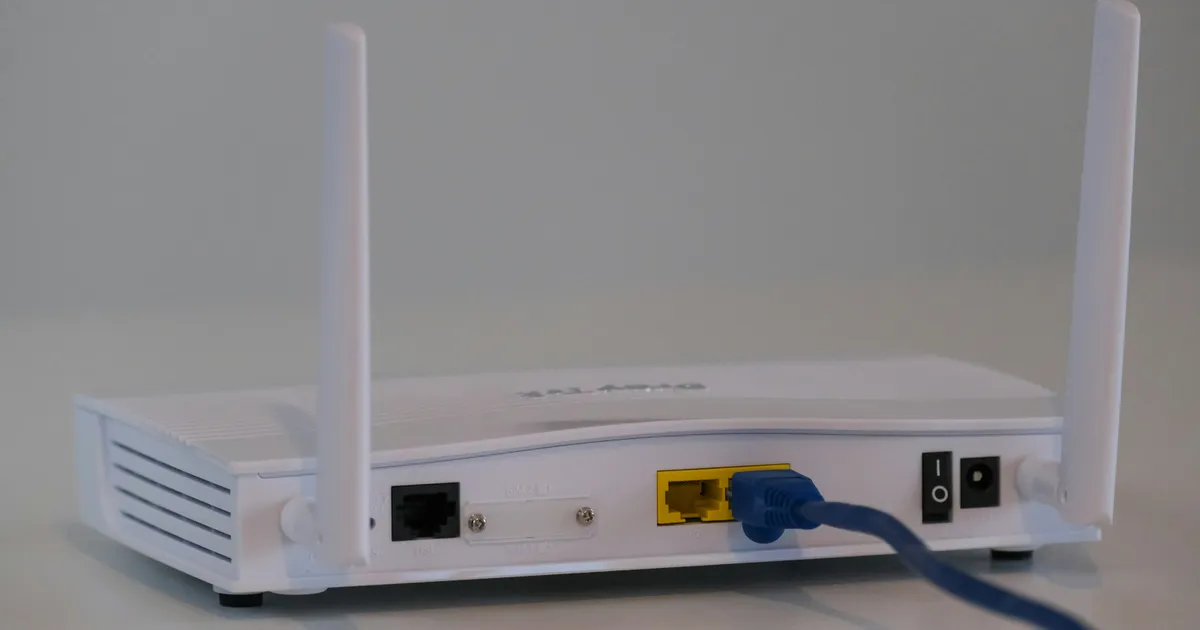

I still vividly remember the crushing frustration of a crucial video conference call dropping mid-sentence, buffering endlessly as my client stared blankly at a frozen screen. It wasn’t just an inconvenience; it was a blow to my professional image, all thanks to an unreliable internet connection. This painful experience hammered home a truth I now champion: a truly effective detailed broadband provider comparison must go far beyond just advertised speeds. For home users, the bedrock of a satisfactory internet experience lies in unwavering reliability and consistent uptime, two metrics often overlooked in the race for the cheapest gigabit plan. Let’s unravel the complexities and ensure your home internet delivers when it matters most.
Understanding Your Needs First
Before diving into provider specifics, take an honest inventory of your household’s digital demands. Are you a solo user primarily browsing and streaming, or do you have a multi-device household with multiple simultaneous 4K streams, competitive online gaming, and demanding remote work (video calls, large file transfers)? Your required bandwidth will vary significantly. A household of four, all online at once in 2026, will likely need substantially more than the basic package, demanding consistent speeds to avoid frustrating bottlenecks and ensure a smooth digital life.
It’s crucial to differentiate between advertised “up to” speeds and the actual, sustained performance you receive, especially during peak hours. Many factors influence real-world speeds, including network congestion, your home’s internal Wi-Fi setup, and even the quality of your modem/router. Don’t be swayed solely by a provider boasting the highest theoretical number; focus instead on their reputation for delivering consistent performance and minimal latency, which is critical for activities like online gaming and responsive video conferencing. A higher speed package is only valuable if it’s consistently available.
The Major Players: A Closer Look
The broadband landscape is diverse, primarily dominated by a few key technologies, each with its own set of advantages and limitations. Cable internet, offered by giants like Xfinity and Spectrum, leverages existing television infrastructure and typically provides robust download speeds but can suffer from congestion during peak usage times due to shared bandwidth. Fiber optic internet, from providers such as Verizon Fios and AT&T Fiber, is often considered the gold standard, offering symmetrical upload and download speeds with unparalleled reliability and minimal latency, though its availability remains geographically limited.
DSL (Digital Subscriber Line) internet, while widely available through providers like CenturyLink, uses traditional phone lines and generally offers lower speeds, making it a less desirable option for modern, data-intensive households. Satellite internet, provided by services like Starlink and Viasat, serves rural areas where other options are scarce, but it comes with higher latency and data caps, making it less ideal for real-time applications. Fixed wireless, often delivered by local ISPs, bridges the gap, offering decent speeds in areas without fiber but can be susceptible to line-of-sight issues and weather interference.
Deep Dive into Reliability and Uptime Metrics
Reliability isn’t just about speed; it’s about consistency. How often does your internet connection drop entirely, and for how long? Reputable providers track their network uptime, but this data isn’t always transparently shared. You’ll often need to dig into independent customer review sites, local news reports, and community forums to get a true sense of a provider’s track record in your specific area. Look for patterns of frequent outages or long resolution times, as these are clear red flags, regardless of the advertised speeds or pricing. A fast connection that frequently goes down is essentially useless.
What constitutes “good” uptime? Ideally, you want a provider boasting 99.9% uptime or better, which translates to less than nine hours of downtime per year. While no service is perfect, anything consistently below this threshold indicates a potentially frustrating experience. Consider how critical your internet is to your daily life: remote work, online learning, security systems, and even smart home devices all rely on a stable connection. A few hours of downtime might be a minor annoyance for some, but for others, it could mean lost income or missed educational opportunities.
Real-World Impact of Downtime
The ripple effect of unexpected internet downtime extends far beyond mere inconvenience. For professionals working from home, it can translate directly into lost productivity, missed deadlines, or even jeopardized client relationships. Students relying on online learning platforms can miss critical lectures or assignment submissions. Even your leisure activities, from streaming your favorite show to engaging in multiplayer online games, come to a grinding halt. In a world increasingly reliant on always-on connectivity, consistent uptime isn’t a luxury; it’s a fundamental utility that underpins our modern lives, especially as more devices become interconnected.
Hidden Costs and Contractual Traps
The sticker price for internet service is rarely the whole story. Many providers entice new customers with deeply discounted promotional rates that skyrocket after 12 or 24 months. Always inquire about the standard rate after the promotional period ends. Equipment rental fees for modems and routers can add $10-20 to your monthly bill, so consider purchasing your own compatible equipment to save money long-term. Be wary of data caps, especially with satellite or some fixed wireless services, as exceeding them can lead to overage charges or throttled speeds. Always scrutinize the full potential cost.
Contracts are another area where home users often get burned. Many providers require a 1
Customer Service and Technical Support
Even with the most reliable provider, issues can arise, making responsive and competent customer service paramount. A provider might offer lightning-fast speeds, but if you’re stuck on hold for hours or dealing with unhelpful representatives when something goes wrong, the overall experience quickly sours. Look for providers with a strong reputation for customer support, indicated by short wait times, knowledgeable technicians, and effective problem resolution. Online reviews and sentiment analysis tools can offer valuable insights into a provider’s commitment to their customers.
Proactive communication during outages is another hallmark of excellent customer service. Does the provider notify you of planned maintenance or unexpected network issues, offering estimated resolution times? Access to 24/7 technical support, whether by phone, chat, or even a robust self-service portal, is invaluable when troubleshooting issues late at night or on weekends. Don’t underestimate the value of a provider who genuinely cares about keeping you connected; it makes a world of difference when you encounter an inevitable technical glitch in 2026.
Key Takeaways
- Personalized Needs Assessment: Your ideal broadband provider depends entirely on your household’s unique usage patterns, number of devices, and critical applications.
- Technology Matters: Fiber optic offers superior reliability and speed where available, while cable provides strong performance but can suffer from congestion. DSL and satellite serve niche markets with trade-offs.
- Prioritize Uptime: Look beyond advertised speeds; a provider’s track record for consistent uptime (ideally 99.9%+) and quick issue resolution is crucial for a dependable internet experience.
- Scrutinize the Fine Print: Always investigate post-promotional rates, equipment fees, data caps, and early termination clauses to avoid unexpected costs and contractual obligations.
Frequently Asked Questions
How accurate are online speed tests?
Online speed tests provide a snapshot of your connection’s performance at that specific moment, but they aren’t always definitive. Factors like server location, network congestion, and even your device’s capabilities can influence results. For a more accurate picture, try several different speed tests (e.g., Ookla, Google Speed Test) and test directly from a wired connection, bypassing potential Wi-Fi interference.
What’s the best type of broadband for gaming and 4K streaming?
For high-performance activities like competitive online gaming and multiple concurrent 4K streams, fiber optic internet is generally superior due to its symmetrical speeds, low latency, and high bandwidth capacity. If fiber isn’t available, a high-speed cable connection with ample download bandwidth and a good reputation for low latency would be the next best option.
How often should I switch broadband providers?
There’s no fixed rule, but it’s wise to reassess your options every 1-2 years, especially as your promotional rate expires. The market evolves rapidly, and new technologies or more competitive plans might become available. Review your current usage, check competitor offers, and even call your existing provider to negotiate a better deal before committing to a switch.
What about 5G home internet as an alternative?
5G home internet is a rapidly emerging option, offering competitive speeds and often simpler, contract-free plans. Its performance can vary significantly based on your proximity to a 5G tower and network congestion. While promising, it’s still relatively new and may not offer the same consistent reliability as wired fiber or cable in all areas, though it’s improving rapidly for 2026.
Conclusion
Choosing a broadband provider is more than just picking the fastest or cheapest option; it’s about investing in the backbone of your digital life. By meticulously comparing providers based on real-world reliability, proven uptime, transparent pricing, and robust customer support, you empower yourself to make an informed decision. Don’t settle for anything less than a connection that consistently meets your needs and provides peace of mind. Your future self, navigating the digital landscape of 2026, will thank you for this thorough preparation.