


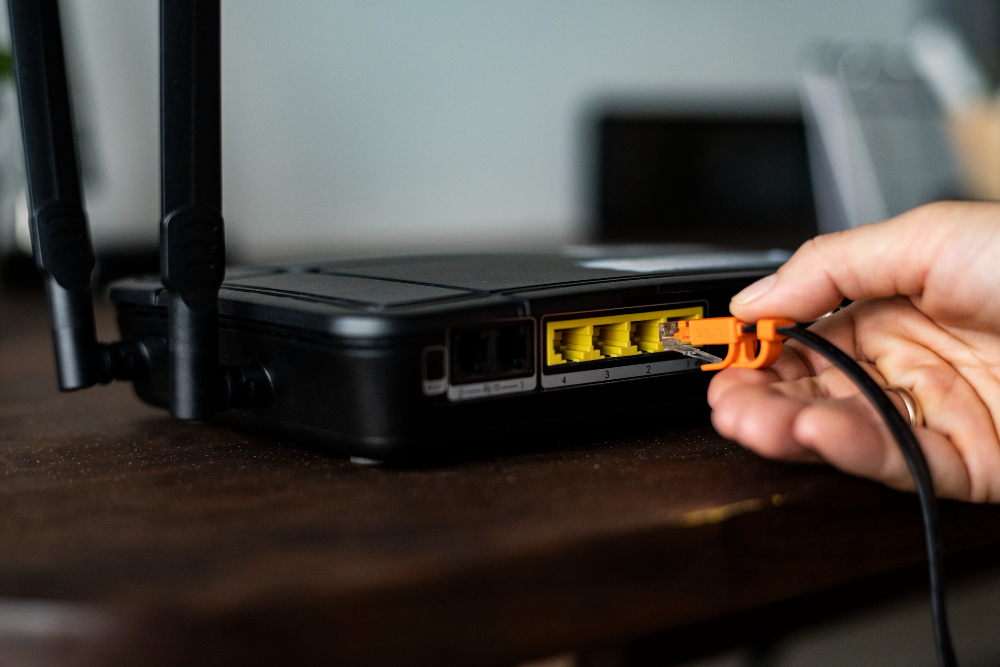
Remember those days when a buffering video was a daily ritual, or downloading a large file felt like an overnight project? I certainly do, and it wasn’t that long ago. It’s truly astonishing how rapidly the landscape of our digital lives is being reshaped by the latest news on networking devices, routers, and broadband improvements. What was cutting-edge just a few years ago now feels almost archaic. We’re on the cusp of a connectivity revolution, driven by innovations that promise not just faster speeds, but a fundamentally more robust, secure, and intelligent internet experience, impacting everything from our smart homes to global enterprises. This isn’t just about megabits; it’s about transforming how we interact with the world.
Wi-Fi 7: The Next Frontier of Wireless Speed
The arrival of Wi-Fi 7, officially known as 802.11be or Extremely High Throughput (EHT), marks a monumental leap in wireless technology. For years, we’ve chased faster Wi-Fi, and with Wi-Fi 7, we’re not just getting a speed bump; we’re getting an entirely new highway. This standard promises theoretical peak speeds upwards of 40 Gbps, far exceeding Wi-Fi 6E’s capabilities, utilizing wider channels and more efficient data transmission techniques across the 2.4 GHz, 5 GHz, and 6 GHz bands simultaneously. It’s designed to handle the growing demands of augmented reality, virtual reality, 8K streaming, and cloud gaming with unprecedented fluency.
What truly sets Wi-Fi 7 apart for me, beyond the raw speed, is its focus on efficiency and capacity. Features like Multi-Link Operation (MLO) allow devices to send and receive data over multiple frequency bands at once, minimizing latency and maximizing throughput. This means less congestion in busy environments and a more stable connection for every device in your home or office. While widespread adoption might take until late 2025 or early 2026, we’re already seeing compatible routers and devices emerge, offering a tantalizing glimpse into a future where wireless bottlenecks become a distant memory. The implications for smart home ecosystems and high-bandwidth applications are profound.
Multi-Link Operation: A Game Changer
Multi-Link Operation (MLO) is arguably the most significant innovation within Wi-Fi 7, and it fundamentally redefines how devices interact with a wireless network. Instead of sticking to a single band, MLO enables client devices and access points to simultaneously use different frequency bands (e.g., 2.4 GHz, 5 GHz, and 6 GHz). This capability allows for dynamic load balancing, where data can be intelligently routed over the least congested or fastest available link, drastically reducing latency and improving reliability. For gamers, VR users, or anyone pushing the limits of their network, MLO will be transformative, virtually eliminating lag spikes and ensuring consistent performance even under heavy network strain. It’s a testament to the intelligent design now being baked into our connectivity.
The Evolution of Broadband: Fiber and FWA
Beyond our local networks, the backbone of our internet experience – broadband – is also undergoing rapid transformation. Fiber optic internet continues its relentless expansion, pushing symmetrical gigabit and even multi-gigabit speeds directly into homes and businesses. The consistency and low latency of fiber are unmatched, making it the gold standard for reliable, high-performance connectivity. Governments and private enterprises worldwide are investing heavily, recognizing fiber as critical national infrastructure, which is fantastic news for consumers in underserved areas who have long been at the mercy of slower, less reliable options.
However, fiber isn’t the only story. Fixed Wireless Access (FWA), particularly leveraging 5G and nascent 6G technologies, is emerging as a powerful alternative, especially in areas where laying fiber is cost-prohibitive or physically challenging. FWA offers competitive speeds and lower installation costs, making it a viable broadband solution for millions. While 5G FWA is already making significant inroads, the anticipation for 6G in 2026 and beyond promises even greater speeds, lower latency, and expanded capacity. This dual approach to broadband expansion ensures that more people than ever before will have access to high-speed internet, bridging the digital divide more effectively than ever.
Smart Routers and AI-Driven Network Management
Modern routers are no longer just simple signal broadcasters; they’re becoming intelligent network hubs, often powered by AI and machine learning. These smart routers can dynamically optimize network traffic, prioritize bandwidth for critical applications (like video calls over background downloads), and even detect and neutralize security threats in real-time. This proactive approach to network management offloads the burden from the user, ensuring a smoother, more secure experience without constant manual tweaking. I’ve seen some incredible advancements here, making network management almost invisible.
Furthermore, the integration of AI extends to self-healing networks and predictive maintenance. Routers can learn usage patterns, anticipate potential bottlenecks, and adjust settings before issues arise. They can even identify failing devices on the network or suggest optimal placement for mesh nodes to improve coverage. This level of automation is a huge benefit for the average user, transforming what was once a complex technical chore into a seamless, self-managing system. As our homes fill with more connected devices, these intelligent features become not just convenient, but essential for maintaining a stable and efficient network.
Mesh Networking: Seamless Whole-Home Coverage
The frustration of Wi-Fi dead zones is a universal experience, but mesh networking has largely banished this common complaint. Gone are the days of single, powerful routers struggling to cover sprawling homes. Mesh systems, comprising multiple interconnected nodes, blanket an entire property with a strong, consistent Wi-Fi signal. They create a single, unified network, allowing devices to seamlessly roam from one node to another without dropping connections. This is particularly crucial as our reliance on Wi-Fi extends to every corner of our living spaces, from smart speakers in the bathroom to security cameras in the backyard.
The latest mesh systems are also getting smarter, integrating Wi-Fi 6E and Wi-Fi 7 capabilities, along with advanced backhaul technologies that ensure rapid communication between the nodes themselves. This means that even if you have several nodes, the overall speed and latency remain excellent. For larger homes or those with complex layouts, a well-designed mesh network is, in my opinion, the undisputed champion for delivering truly ubiquitous and reliable wireless connectivity. It’s an investment that pays dividends in daily convenience and reduced technical headaches.
Security and Privacy in a Connected World
As our networks become more sophisticated and our lives more digitized, the importance of robust security and privacy features in networking devices cannot be overstated. Routers are increasingly incorporating advanced threat detection, intrusion prevention systems (IPS), and parental controls directly into their firmware. Many now offer VPN server capabilities, allowing secure remote access, and guest networks that isolate visitors from your main network, enhancing overall safety. It’s a crucial layer of defense against the ever-evolving landscape of cyber threats.
Beyond active threat prevention, there’s a growing emphasis on privacy-enhancing features. Secure DNS, WPA3 encryption, and regular firmware updates that patch vulnerabilities are becoming standard. Some routers even offer built-in ad blocking and tracking prevention at the network level, providing a more private browsing experience for all connected devices. As we project towards 2026, I anticipate even more sophisticated, AI-driven security features becoming standard, moving us towards a truly resilient and private home network environment. For further reading on network security best practices, a resource like the CISA Home Network Security Guide offers excellent advice.
Key Takeaways
- Wi-Fi 7 is Revolutionizing Wireless: With incredible speeds up to 40 Gbps and efficiency features like Multi-Link Operation (MLO), Wi-Fi 7 (802.11be) is poised to transform high-bandwidth applications like VR/AR and 8K streaming, minimizing latency and maximizing throughput across all available bands.
- Broadband Expands with Fiber and FWA: Fiber optic internet continues its critical rollout, offering unparalleled speed and reliability, while 5G/6G Fixed Wireless Access (FWA) provides a compelling, cost-effective alternative for broader high-speed internet accessibility, particularly in challenging deployment areas.
- Routers Are Becoming Intelligent Hubs: Modern networking devices are integrating AI and machine learning for dynamic network optimization, proactive security threat detection, and self-healing capabilities, making home network management smarter and more seamless for the average user.
- Enhanced Security and Seamless Coverage are Paramount: Advanced router security features like IPS, WPA3, and VPNs are crucial for protecting our digital lives, while sophisticated mesh networking systems ensure consistent, high-performance Wi-Fi coverage across entire homes, eliminating dead zones.
Frequently Asked Questions
What is the biggest advantage of Wi-Fi 7 over Wi-Fi 6E?
The biggest advantage of Wi-Fi 7 lies in its significantly higher theoretical speeds, potentially reaching up to 40 Gbps, and its enhanced efficiency through features like Multi-Link Operation (MLO). MLO allows devices to utilize multiple frequency bands simultaneously for data transmission, drastically reducing latency and improving overall network capacity, making it superior for demanding applications like 8K video and VR.
Will I need new devices to take advantage of Wi-Fi 7?
Yes, to fully benefit from Wi-Fi 7’s advanced features and speeds, you will need Wi-Fi 7 compatible routers and client devices (smartphones, laptops, smart home gadgets). While Wi-Fi 7 is backward compatible with older Wi-Fi standards, older devices will only operate at their respective Wi-Fi standard speeds and won’t leverage the new enhancements.
How does 5G Fixed Wireless Access (FWA) compare to traditional fiber internet?
5G FWA offers competitive speeds and lower installation costs compared to fiber, making it an excellent option, especially in areas where fiber deployment is challenging. However, fiber generally provides more consistent symmetrical speeds and lower latency, making it the preferred choice for those requiring the absolute highest performance and reliability. FWA is an increasingly viable alternative, particularly for urban and suburban areas.
What should I look for in a new router for a smart home?
For a smart home, prioritize a router with Wi-Fi 6E or Wi-Fi 7 capabilities for future-proofing, robust mesh networking support for whole-home coverage, and strong security features like WPA3, intrusion detection, and parental controls. Look for AI-driven optimization, easy management via a mobile app, and sufficient Ethernet ports for wired connections to critical devices. Consider routers that integrate well with popular smart home platforms or offer dedicated IoT security features. For a deeper dive into choosing the right router, sites like PCMag’s Best Wireless Routers can be very helpful.
Conclusion
The world of networking devices, routers, and broadband improvements is incredibly dynamic and genuinely exciting. We’re witnessing a convergence of technologies that promises to make our digital lives faster, more reliable, and significantly more secure than ever before. From the blistering speeds of Wi-Fi 7 to the intelligent management of AI-powered routers and the expansive reach of fiber and 5G FWA, the future of connectivity is bright. Embracing these advancements isn’t just about keeping up; it’s about unlocking new possibilities for how we live, work, and play in an increasingly connected world.