



Finding affordable high speed internet plans for heavy usage in 2026 can feel like navigating a complex maze. Streaming in 4K, participating in video conferences, online gaming, and supporting multiple connected devices simultaneously demand considerable bandwidth. You need a plan that delivers reliable performance without breaking the bank. Fortunately, with careful planning and a strategic approach, it’s entirely possible to secure a budget-friendly, high-performance internet solution tailored to your specific consumption habits. This guide will explore the key factors to consider, enabling you to make an informed decision and optimize your internet spending.
Assess Your Actual Internet Needs
Before diving into available plans, accurately gauging your data consumption is crucial. Many households overestimate their needs, leading to overspending on unnecessary bandwidth. Start by monitoring your current internet usage. Most routers provide historical data on data consumption, and your current internet provider might offer similar insights through their online portal or customer service. Pay attention to peak usage times, particularly during evenings and weekends, to understand your maximum bandwidth requirements. Remember to factor in the increasing demands of new technologies and connected devices constantly being added to your network.
Consider the number of users in your household and their respective online activities. A single individual who primarily uses the internet for email and light browsing will have vastly different needs compared to a family of five engaged in simultaneous streaming, gaming, and video conferencing. Prioritize activities that demand the most bandwidth and calculate the approximate data consumption for each. Online speed tests, like the one provided by Speedtest.net, can help you determine your current download and upload speeds. This information is vital for identifying potential bottlenecks and ensuring your internet plan can adequately support your diverse online activities.
Compare Internet Service Providers (ISPs)

The internet service provider landscape is diverse, with a range of options, including cable, fiber, DSL, and fixed wireless. Each technology offers different speeds, reliability, and pricing structures. Fiber optic internet generally provides the fastest and most reliable speeds but may not be available in all areas. Cable internet is a widely available alternative offering decent speeds, while DSL is typically the slowest option, suitable for less demanding online activities. Fixed wireless is gaining traction in rural areas, offering a viable alternative where wired connections are limited. Research all available ISPs in your area.
Use online comparison tools and websites to compare pricing, speeds, data caps, and contract terms from various providers. Pay close attention to promotional offers and bundled packages, which can offer significant cost savings. Read customer reviews and ratings to get a better understanding of the provider’s reliability and customer service quality. Consider factors such as installation fees, equipment rental costs, and potential price increases after introductory periods. A thorough comparison of available ISPs is essential for finding the best deal that meets your specific needs and budget. Look beyond advertised speeds to understand actual sustained performance.
Consider Data Caps and Overage Fees
Many affordable internet plans come with data caps, limiting the amount of data you can use each month. Exceeding this limit can result in hefty overage fees or throttled speeds. If you’re a heavy internet user, carefully evaluate the data cap offered by each plan and compare it to your estimated data consumption. Opting for a plan with a higher data cap or even an unlimited data plan might be more cost-effective in the long run, preventing unexpected charges and ensuring uninterrupted service. Consider also that some ISPs offer ways to track your data usage throughout the month through an online portal or app.
Strategies to mitigate data usage include reducing video streaming quality, downloading large files during off-peak hours, and disabling automatic software updates. Monitor your data consumption regularly to avoid surprises. Contact your ISP to inquire about options for increasing your data cap or switching to an unlimited plan if you consistently exceed your monthly allowance. Some ISPs offer “data boost” add-ons for temporary increases if you anticipate a spike in usage. Choose plans without data caps whenever possible, especially for households with several streaming devices.
Explore Government Assistance Programs
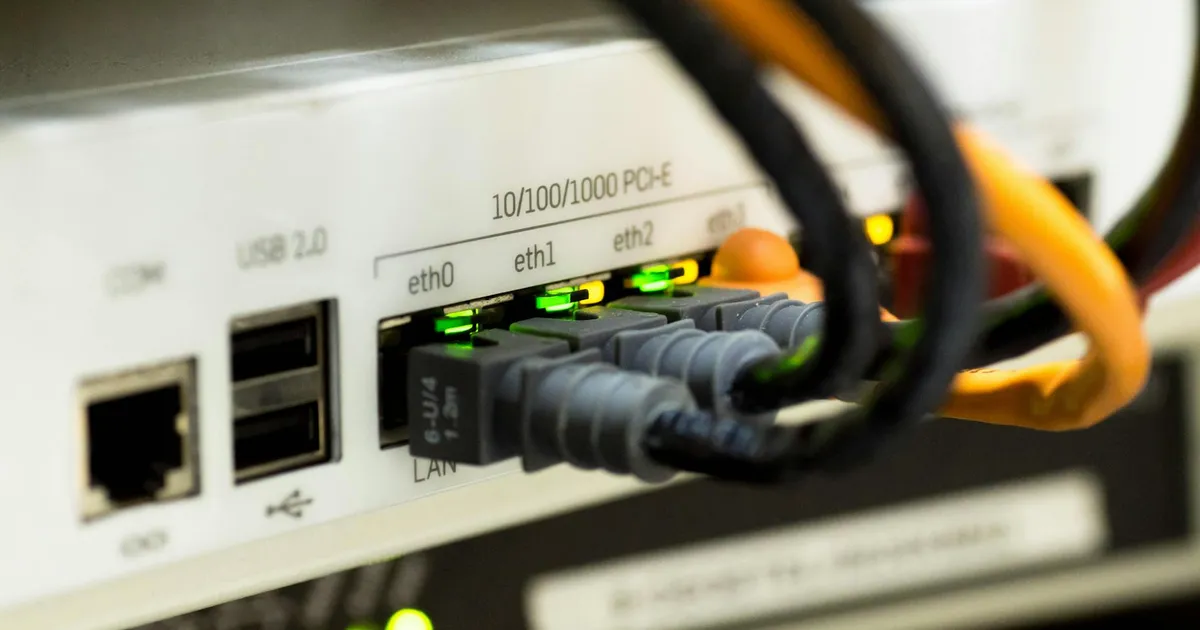
Several government programs are designed to help low-income households afford internet access. The Affordable Connectivity Program (ACP) provides eligible households with a discount on their monthly internet bill, potentially making high-speed internet significantly more accessible. Research the eligibility requirements and application process for the ACP and other similar programs in your area. These programs can substantially reduce your internet costs, allowing you to access faster speeds and larger data caps without straining your budget. Check with your local government or internet providers.
Negotiate with Your ISP
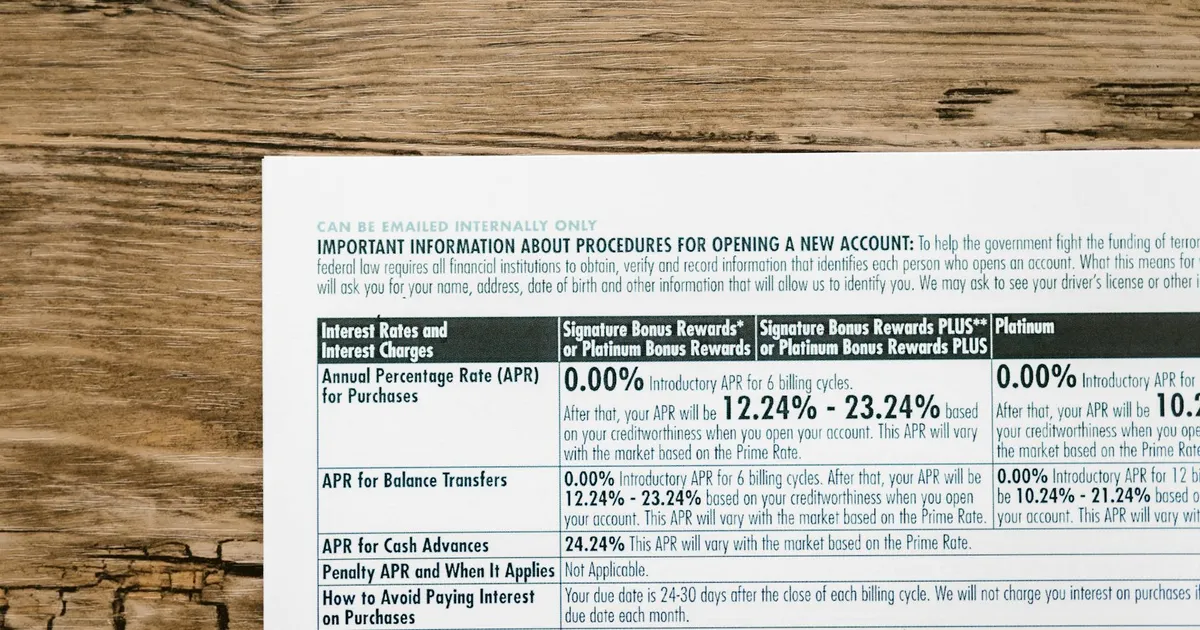
Don’t be afraid to negotiate with your current internet service provider. Often, simply calling customer service and expressing your dissatisfaction with the price or service can lead to a better deal. Research competitor pricing and use that information as leverage when negotiating. Inquire about promotional offers or discounts that you may be eligible for. If your contract is nearing its expiration date, use that as an opportunity to renegotiate for a lower rate or better terms. Be polite yet assertive, and emphasize your loyalty as a long-term customer. Sometimes, simply speaking to a supervisor can yield more favorable results. Persistence can pay off.
Consider bundling your internet service with other services, such as cable television or phone, to potentially lower your overall costs. Explore different bundling options and compare the total cost to see if it’s more affordable than purchasing each service separately. Keep an eye out for limited-time promotions or discounts specifically offered to new or existing customers willing to bundle their services. Keep in mind that the lowest advertised price might not always be the final price. Hidden fees and taxes can significantly increase the total cost. Always clarify the all-in price before committing to a plan. As competition increases in 2026, providers become more flexible with pricing.
Optimize Your Home Network

Even with a high-speed internet plan, a poorly optimized home network can significantly impact your online experience. Ensure your router is up-to-date with the latest firmware to improve performance and security. Position your router in a central location to maximize coverage throughout your home. Minimize interference by keeping your router away from electronic devices that can emit radio waves, such as microwaves and cordless phones. Consider investing in a mesh Wi-Fi system to eliminate dead zones and provide consistent coverage throughout your entire home, especially in larger or multi-story dwellings.
Regularly test your internet speed using online tools to ensure you’re getting the speeds you’re paying for. If you’re experiencing slow speeds or connectivity issues, troubleshoot your network by restarting your router and modem. Consider upgrading to a newer router that supports the latest Wi-Fi standards for improved performance and range. A wired Ethernet connection can often provide a more stable and faster connection than Wi-Fi, especially for demanding applications like online gaming or video conferencing. Optimize device settings; automatic updates and cloud backups consume bandwidth, so manage them to occur during off-peak times, freeing up precious bandwidth during peak usage hours.
Key Takeaways

- Accurately assess your actual internet usage needs.
- Compare internet service providers in your area to find the best deal.
- Carefully consider data caps and potential overage fees.
- Explore government assistance programs for low-income households.
- Negotiate with your ISP for a better price or plan upgrades.
- Optimize your home network for maximum performance.
Frequently Asked Questions
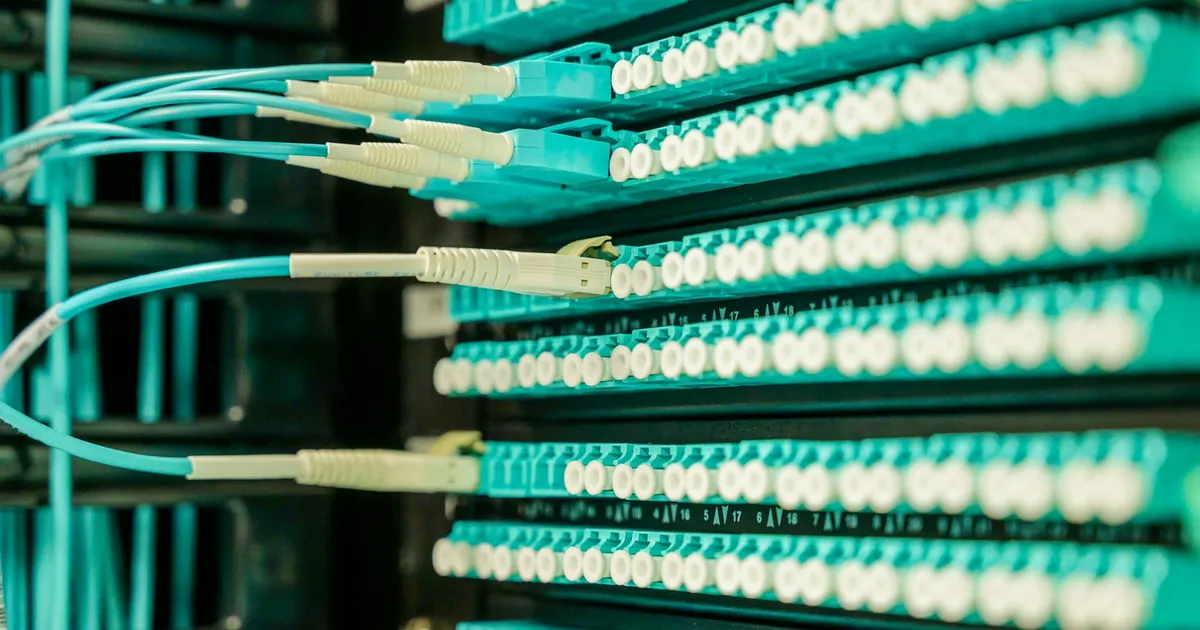
What is the best type of internet for heavy usage?
Fiber optic internet is generally considered the best option for heavy usage due to its high speeds, low latency, and reliability. However, availability may vary depending on your location.
How much internet speed do I need for streaming 4K video?
A minimum of 25 Mbps download speed is recommended for streaming 4K video, but faster speeds may be necessary for multiple simultaneous streams or other online activities. Also, factor in upload speed, especially for video conferencing.
What can I do to reduce my internet data usage?
Reduce video streaming quality, download large files during off-peak hours, disable automatic software updates, and monitor your data consumption regularly.
Are unlimited data plans always the best option?
Unlimited data plans are generally recommended for heavy internet users who frequently stream, game, or download large files. However, if your usage is consistently low, a plan with a smaller data cap may be more cost-effective.
How often should I upgrade my internet router?
It’s generally recommended to upgrade your internet router every 3-5 years to take advantage of the latest Wi-Fi standards and security updates. This ensures optimal performance and protects your network from vulnerabilities.
Conclusion
Securing affordable high speed internet for heavy usage in 2026 requires careful planning and a proactive approach. By accurately assessing your needs, comparing available options, negotiating with your ISP, and optimizing your home network, you can find a plan that meets your requirements without exceeding your budget. Don’t be afraid to shop around and explore different providers to find the best deal. Staying informed about industry trends and technological advancements will empower you to make informed decisions and ensure a seamless online experience. Remember, a bit of research can save you considerable money and frustration in the long run.