



Emerging internet infrastructure upgrades are revolutionizing how we connect and interact with the digital world. The convergence of advanced technologies, including 5G, fiber optics, and edge computing, fuels smart connectivity solutions that promise faster speeds, lower latency, and enhanced reliability. As we move further into the digital age, these infrastructure advancements are not just about improving our internet experience; they are foundational to supporting the growth of the Internet of Things (IoT), artificial intelligence (AI), and other cutting-edge applications. These advancements are vital in shaping the future of how businesses operate and individuals interact with technology, setting the stage for a more interconnected and efficient world by 2026.
The Rise of 5G Networks
5G technology represents a significant leap forward in wireless communication. With significantly faster speeds and lower latency than its predecessors, 5G is poised to transform industries ranging from healthcare to transportation. The enhanced bandwidth of 5G networks enables real-time data transfer and seamless connectivity, essential for applications like autonomous vehicles, remote surgery, and augmented reality. This evolution is more than just an upgrade; it’s a foundational shift impacting how we access and utilize information, creating opportunities for innovation and economic growth across various sectors. The global rollout of 5G continues to accelerate, with many regions expecting widespread availability by 2026.
Furthermore, 5G networks are designed to handle a massive increase in connected devices, a crucial requirement for the expanding IoT ecosystem. Smart homes, smart cities, and industrial automation all rely on the ability to connect numerous devices simultaneously without compromising performance. 5G’s network slicing capabilities allow operators to create virtual networks tailored to specific applications, optimizing performance and ensuring reliability for critical services. This level of customization and scalability makes 5G an indispensable component of the future internet infrastructure. Read more about 5G at the GSMA website.
Fiber Optics Expansion

Fiber optic technology is the backbone of high-speed internet, offering unparalleled bandwidth and reliability compared to traditional copper-based infrastructure. The ongoing expansion of fiber networks globally is essential for supporting the increasing demand for data-intensive applications like streaming video, cloud computing, and online gaming. Governments and private companies are investing heavily in fiber optic infrastructure to bridge the digital divide and provide equitable access to high-speed internet for both urban and rural communities. This investment strengthens the overall internet infrastructure, paving the way for innovation and economic development.
Deployment of new fiber optic lines involves complex engineering and logistical challenges, including navigating rights-of-way, trenching, and installation in diverse terrains. Despite these hurdles, the long-term benefits of fiber optics far outweigh the initial costs. Fiber optic cables are less susceptible to interference and degradation, ensuring consistent performance and minimal downtime. In 2026, it is expected that fiber will represent at least 60% of broadband infrastructure worldwide.
Edge Computing Revolution
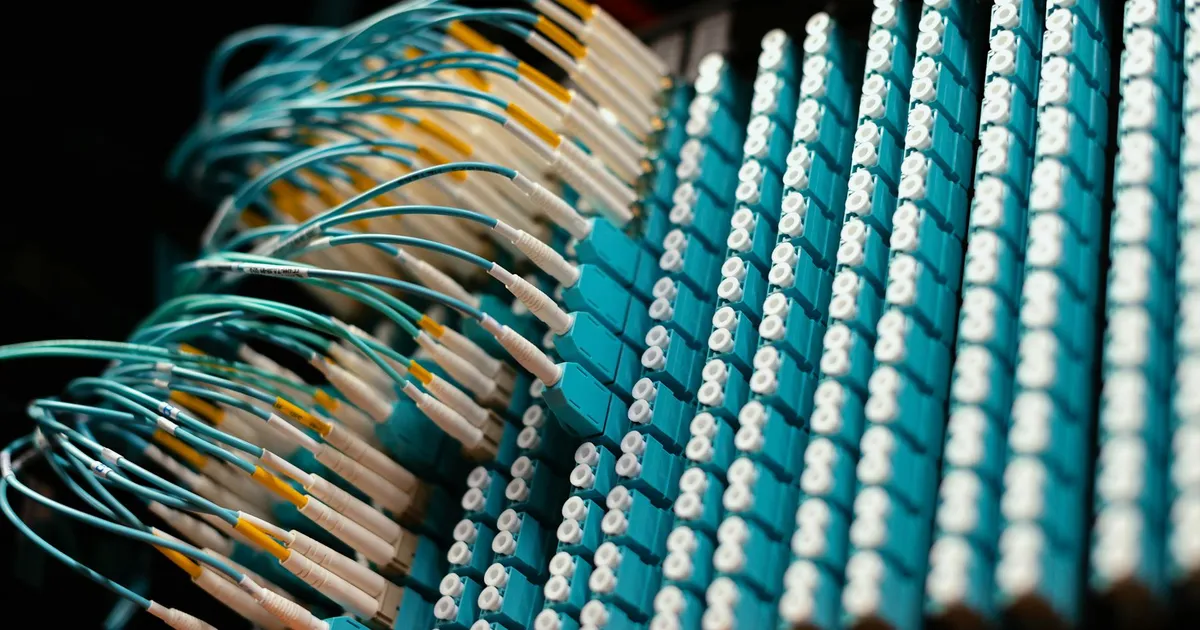
Edge computing brings data processing and storage closer to the source of data generation, reducing latency and improving response times. This distributed computing paradigm is particularly beneficial for applications requiring real-time analysis and decision-making, such as autonomous vehicles, industrial IoT, and virtual reality. By processing data locally, edge computing minimizes the need to transmit large volumes of data to centralized data centers, reducing network congestion and enhancing privacy.
The proliferation of edge computing devices, including micro data centers and smart sensors, is driving the growth of the edge computing market. These devices are strategically located at the edge of the network, enabling faster data processing and localized control. As the number of connected devices continues to increase, edge computing will play an increasingly critical role in managing data streams and optimizing network performance. Security concerns are also being proactively addressed with distributed architectures minimizing single POF.
Smart City Initiatives

Smart cities leverage internet infrastructure upgrades and smart connectivity solutions to improve the quality of life for their citizens. These initiatives encompass a wide range of applications, including smart traffic management, intelligent lighting, waste management, and public safety. By collecting and analyzing data from various sensors and devices, smart cities can optimize resource allocation, reduce energy consumption, and enhance public services.
The development of smart city infrastructure requires collaboration between governments, private companies, and community stakeholders. Open data platforms and interoperable systems are crucial for facilitating data sharing and enabling the development of innovative applications. Data privacy and security are also paramount considerations, requiring robust security protocols and transparent data governance policies. As cities become increasingly interconnected, the potential for improved efficiency and sustainability becomes even greater, supporting the global growth and scalability of these initiatives.
Smart Homes Integration
Smart home technology is an integral part of the broader smart city ecosystem, offering convenience, energy efficiency, and enhanced security for homeowners. Smart thermostats, lighting systems, and appliances can be controlled remotely, optimizing energy consumption and reducing utility bills. Security systems with smart locks, cameras, and motion sensors enhance home security and provide peace of mind.
The integration of smart home devices with voice assistants and other platforms enables seamless control and automation. As the number of connected devices in the home continues to grow, robust internet infrastructure and smart connectivity solutions are essential for ensuring reliable performance. Data privacy and security are also critical considerations, requiring strong passwords, secure networks, and reputable vendors.
Satellite Internet Advancements

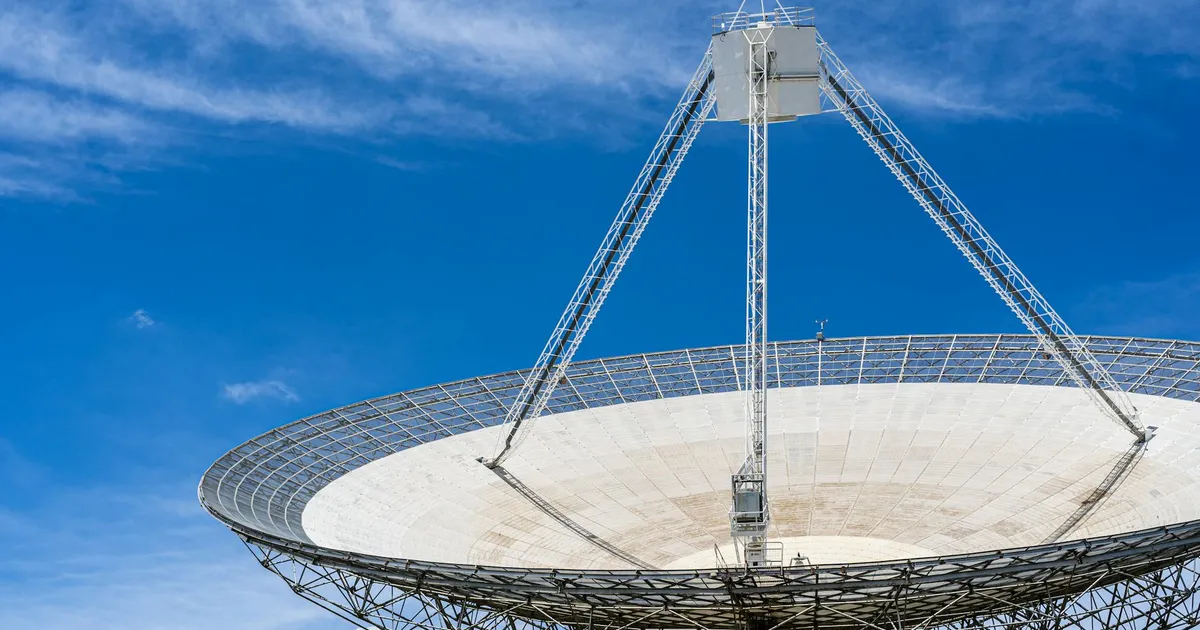
Satellite internet is emerging as a viable solution for providing connectivity to remote and underserved areas where traditional internet infrastructure is lacking. Advancements in satellite technology, including low Earth orbit (LEO) satellites, are enabling faster speeds and lower latency than previous generations of satellite internet. Companies like SpaceX’s Starlink are deploying large constellations of LEO satellites to provide global internet coverage.
While satellite internet offers a promising solution for bridging the digital divide, it also faces challenges such as regulatory approvals, spectrum allocation, and weather-related interference. The cost of satellite internet service can also be a barrier for some users. However, as technology continues to improve and competition increases, satellite internet is expected to become more accessible and affordable, expanding connectivity to even the most remote corners of the world.
The Future of IoT & Smart Infrastructure
The Internet of Things (IoT) is poised to revolutionize virtually every aspect of our lives, from how we manage our homes and businesses to how we interact with the world around us. As the number of connected devices continues to grow exponentially, robust internet infrastructure and smart connectivity solutions are essential for supporting this growth. Edge computing, 5G, and satellite internet are all playing a critical role in enabling IoT deployments across various sectors, including healthcare, manufacturing, agriculture, and transportation.
The convergence of IoT and smart infrastructure is creating opportunities for increased efficiency, improved decision-making, and enhanced quality of life. Smart sensors embedded in infrastructure can provide real-time data on everything from traffic flow to environmental conditions, enabling more informed resource allocation and proactive maintenance. As IoT technology continues to evolve, its potential to transform our world is virtually limitless.
Key Takeaways

- 5G networks offer faster speeds, lower latency, and enhanced capacity for wireless communication.
- Fiber optic infrastructure provides unparalleled bandwidth and reliability for high-speed internet.
- Edge computing brings data processing closer to the source, reducing latency and improving response times.
- Smart city initiatives leverage internet infrastructure to improve the quality of life for citizens.
- Satellite internet is expanding connectivity to remote and underserved areas.
- The Internet of Things (IoT) is driving the demand for robust internet infrastructure and smart connectivity solutions.
Frequently Asked Questions
What is the difference between 4G and 5G?
5G offers significantly faster speeds, lower latency, and greater capacity compared to 4G. 5G also supports a much larger number of connected devices, making it ideal for IoT applications.
How does edge computing reduce latency?
Edge computing processes data closer to the source, minimizing the distance data needs to travel to reach a central server. This reduces latency and improves response times for applications requiring real-time processing. Smart infrastructure in 2026 will rely heavily on optimized response times.
What are the benefits of fiber optic internet?
Fiber optic internet offers faster speeds, lower latency, and greater reliability compared to traditional copper-based internet. Fiber optic cables are also less susceptible to interference and degradation.
How does satellite internet work?
Satellite internet uses satellites in orbit to transmit data to and from users’ homes or businesses. LEO satellites offer faster speeds and lower latency compared to older geostationary satellites.
What are some examples of smart city applications?
Smart city applications include smart traffic management, intelligent lighting, waste management, public safety, and energy-efficient buildings. These all leverage smart sensor technology and internet infrastructure.
Conclusion
The future of internet infrastructure is bright, with ongoing advancements in 5G, fiber optics, edge computing, and satellite technology driving innovation and expanding connectivity. These technologies are not only improving our internet experience but also enabling new applications and services that are transforming industries and enhancing our daily lives. As we continue to invest in and deploy these technologies, we can expect a more interconnected, efficient, and innovative world where everyone has access to the benefits of the digital age. The smart connectivity solutions brought on by these upgrades are integral to global economies.