



Ultra-fast connectivity systems are rapidly evolving, fueled by innovations in broadband technology. The demand for higher bandwidth, lower latency, and increased reliability is pushing the boundaries of what’s possible. From advancements in fiber optics to the exploration of new wireless spectrums, the future of broadband promises to revolutionize how we live, work, and interact with the digital world. This article drills into the most transformative innovations that are poised to shape ultra-fast connectivity in the coming years, offering insights into their potential impact and the challenges they must overcome. Get ready to explore the next generation of broadband.
Next-Generation Fiber Optics
Fiber optic technology remains the cornerstone of ultra-fast broadband, and ongoing innovations are set to dramatically increase its capacity and efficiency. Researchers are exploring advanced modulation techniques, such as coherent detection and advanced coding schemes, to squeeze more data through existing fiber infrastructure. These advancements, coupled with improvements in optical amplifiers and transceivers, promise to significantly boost the bandwidth available to homes and businesses. We’re on the cusp of seeing fiber networks capable of delivering speeds far beyond what is currently available. These enhancements will be essential for supporting bandwidth-intensive applications like 8K video streaming, advanced gaming, and emerging technologies like the metaverse.
One exciting development is the exploration of hollow-core fiber, which transmits light through air rather than glass. This technology has the potential to reduce latency and signal loss, offering even faster and more reliable connections. Furthermore, advancements in fiber manufacturing are driving down costs, making ultra-fast fiber broadband more accessible to a wider range of consumers. The combination of these innovations will solidify fiber’s position as the dominant technology for delivering the highest-speed broadband connections in the foreseeable future. By 2026, expect fiber to reach even more rural and underserved areas.
The Rise of 5G and Beyond
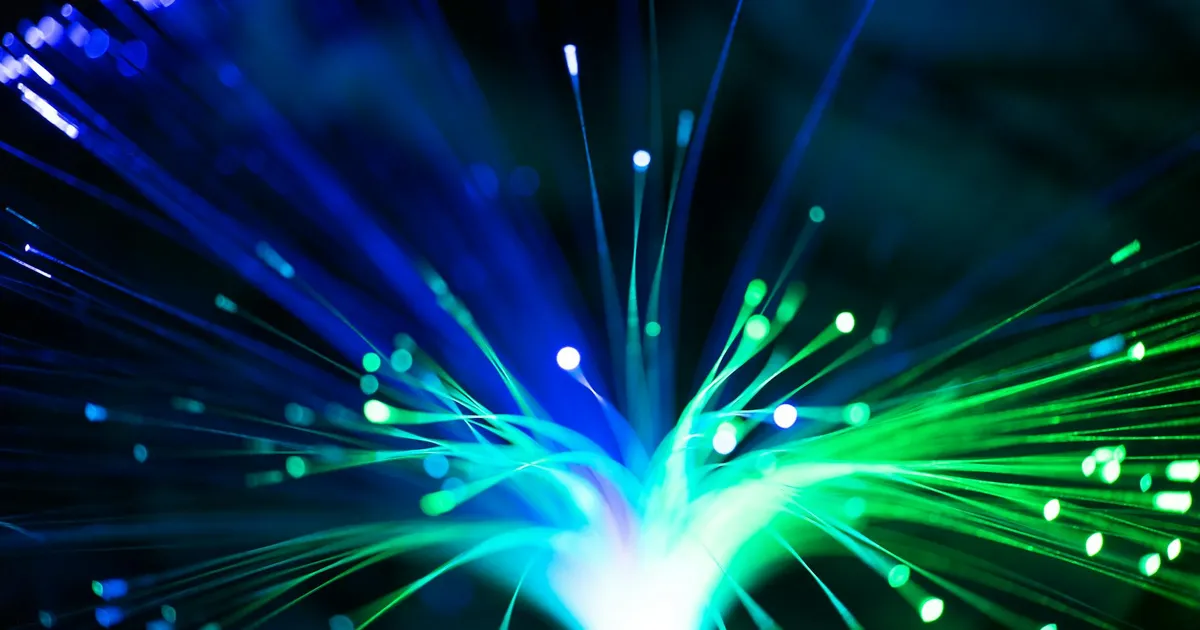
5G cellular technology has already begun to transform wireless connectivity, offering significantly faster speeds and lower latency compared to its predecessors. However, the potential of 5G extends far beyond smartphones. Fixed wireless access (FWA) is emerging as a viable alternative to traditional wired broadband, particularly in areas where deploying fiber infrastructure is challenging or cost-prohibitive. 5G FWA uses millimeter wave (mmWave) spectrum to deliver broadband speeds wirelessly to homes and businesses, offering a compelling solution for bridging the digital divide. The continued rollout of 5G infrastructure and the development of new mmWave technologies will further enhance the performance and reach of FWA services.
Looking ahead, the development of 6G is already underway, promising even faster speeds, lower latency, and greater network capacity. 6G networks are expected to leverage new spectrum bands, including terahertz frequencies, and incorporate advanced technologies such as artificial intelligence (AI) and machine learning (ML) to optimize network performance. While 6G is still in its early stages of development, it holds the potential to revolutionize wireless connectivity and enable a new wave of innovative applications, furthering the accessibility and availability of ultra-fast broadband. Learn more about the current state of 5G at sites like GSMA Intelligence: https://www.gsmaintelligence.com/
Satellite Broadband Advancements
Satellite broadband has traditionally been seen as a last resort for areas with limited or no access to terrestrial broadband options. However, recent advancements in satellite technology are changing this perception. Low Earth Orbit (LEO) satellite constellations, such as Starlink and OneWeb, are offering significantly faster speeds and lower latency compared to traditional geostationary (GEO) satellites. These LEO constellations promise to provide high-speed broadband coverage to even the most remote and underserved regions of the world. The use of phased array antennas and advanced beamforming techniques further enhances the performance and reliability of satellite broadband services.
The increased competition in the satellite broadband market is driving down prices and improving service quality, making it a more attractive option for consumers and businesses in rural and remote areas. While satellite broadband may not be able to compete with fiber or 5G in terms of raw speed and latency, it offers a vital solution for connecting the unconnected and bridging the digital divide globally. As technology advances, especially in areas like laser crosslinks between satellites, costs are projected to decline further making satellite a useful broadband tool.
Wi-Fi 6E and Future Wi-Fi Standards

Wi-Fi technology continues to evolve, providing faster speeds and improved performance for wireless devices within homes and businesses. Wi-Fi 6E, the latest generation of Wi-Fi, extends the benefits of Wi-Fi 6 to the 6 GHz spectrum band, offering more channels and less interference. This results in significantly faster speeds and lower latency for devices that support Wi-Fi 6E. The adoption of Wi-Fi 6E is rapidly growing, and it is becoming a standard feature in many new laptops, smartphones, and routers. The combination of Wi-Fi 6E and ultra-fast broadband connections enables a seamless and high-performance wireless experience within the home or office.
Looking ahead, future Wi-Fi standards, such as Wi-Fi 7, promise to deliver even faster speeds and improved performance. These standards will leverage advanced technologies such as multi-link operation (MLO) and orthogonal frequency division multiple access (OFDMA) to further enhance the capacity and efficiency of Wi-Fi networks. As Wi-Fi technology continues to evolve, it will remain a critical component of ultra-fast connectivity systems, providing a convenient and reliable way to connect devices wirelessly within the local environment. The continued development and deployment of advanced Wi-Fi technologies are essential for supporting the growing demand for bandwidth and ensuring a seamless user experience.
Network Slicing and Edge Computing
Network slicing and edge computing are two emerging technologies that are poised to play a significant role in shaping the future of ultra-fast connectivity. Network slicing allows network operators to divide their physical network into multiple virtual networks, each tailored to specific applications or services. This enables operators to provide customized connectivity solutions with guaranteed performance characteristics, such as low latency or high bandwidth. For example, a network slice could be dedicated to supporting autonomous vehicles, while another slice could be used for video streaming.
Edge computing brings computing resources closer to the end-user, reducing latency and improving responsiveness for applications such as augmented reality (AR), virtual reality (VR), and industrial automation. By processing data at the edge of the network, rather than in a centralized data center, edge computing can significantly improve the performance and reliability of these applications. The combination of network slicing and edge computing will enable a new wave of innovative services and applications that require ultra-fast connectivity and low latency. According to a recent report, edge computing is poised to be a huge market by 2025: Gartner Edge Computing Report.
The Role of AI and Automation
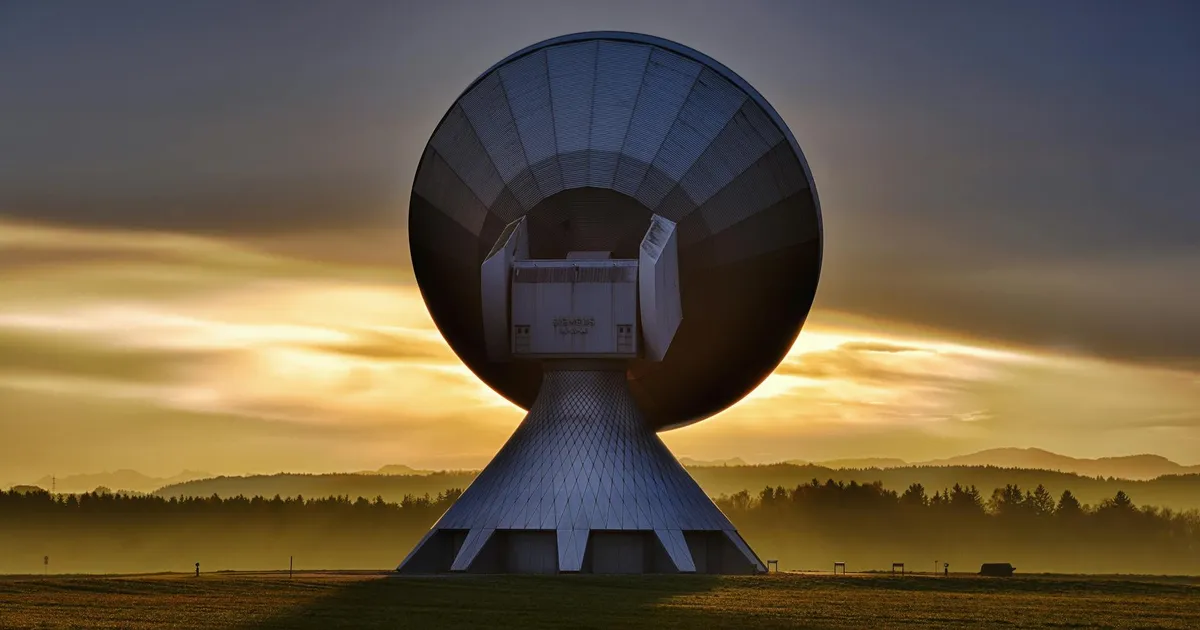
AI and automation are also emerging as key enablers of ultra-fast connectivity systems. AI can be used to optimize network performance, predict network congestion, and automate network management tasks. This can lead to improved network efficiency, reduced operational costs, and a better user experience. Automation can be used to streamline network deployments, automate fault detection and recovery, and improve network security. The integration of AI and automation into broadband networks will be essential for managing the increasing complexity of these systems and ensuring that they can deliver the performance and reliability that users demand.
Quantum Computing and its Impact

While still in its early stages of development, quantum computing has the potential to revolutionize various aspects of ultra-fast connectivity systems. Quantum computing could be used to develop new encryption algorithms that are resistant to hacking, enhancing the security of broadband networks. It can be utilized to optimize network routing and resource allocation, improving network efficiency and performance. While quantum computing remains a nascent field, its potential impact on ultra-fast connectivity is significant and worth monitoring. Predictions are that quantum secure networks could be more mainstream by 2026, and the technology is getting increased federal investment.
Furthermore, quantum cryptography and quantum key distribution offer potentially unbreakable security for data transmission. These technologies leverage the principles of quantum mechanics to ensure that data cannot be intercepted or decrypted without detection. While the practical implementation of quantum cryptography is still challenging, it holds immense promise for securing ultra-fast broadband networks and protecting sensitive data from cyber threats. As quantum computing technology matures, it is likely to play an increasingly important role in shaping the future of ultra-fast connectivity security. The possibilities are endless.
Key Takeaways

- Fiber optic technology continues to be the dominant technology for delivering ultra-fast broadband, with ongoing innovations poised to further increase its capacity and efficiency.
- 5G and future wireless technologies like 6G are expanding the reach of ultra-fast broadband, particularly through fixed wireless access (FWA) in areas where fiber deployment is challenging.
- LEO satellite constellations are offering high-speed broadband coverage to even the most remote and underserved regions of the world.
- Wi-Fi 6E and future Wi-Fi standards are enhancing wireless connectivity within homes and businesses, providing faster speeds and improved performance for wireless devices.
- Network slicing and edge computing are enabling customized connectivity solutions and improving the performance of latency-sensitive applications.
- AI and automation are optimizing network performance, reducing operational costs, and improving the user experience.
Frequently Asked Questions

What is the biggest challenge to deploying ultra-fast broadband?
The cost of infrastructure deployment, particularly for fiber optic networks, remains a significant challenge. This includes the cost of digging trenches, laying fiber cables, and installing equipment. Additionally, navigating regulatory hurdles and obtaining necessary permits can also be time-consuming and expensive.
How will ultra-fast broadband impact rural areas?
Ultra-fast broadband can have a transformative impact on rural areas, enabling access to education, healthcare, and economic opportunities that were previously unavailable. It can also facilitate remote work, attract new businesses, and improve the overall quality of life for residents.
Is 5G a replacement for fiber broadband?
While 5G offers a viable alternative to fiber broadband in some areas, it is not a direct replacement. Fiber generally offers faster speeds and lower latency than 5G, but 5G can be a more cost-effective solution for reaching areas where fiber deployment is challenging. Both technologies will likely coexist and complement each other in the future.
How secure are ultra-fast broadband networks?
The security of ultra-fast broadband networks is a growing concern, as these networks are increasingly vulnerable to cyberattacks. Network operators are implementing various security measures, such as encryption, firewalls, and intrusion detection systems, to protect their networks and customer data. Additionally, emerging technologies like quantum cryptography offer the potential for even more secure broadband networks.
What is the future of broadband in 2026?
By 2026, we anticipate a significant expansion of ultra-fast broadband availability, driven by advancements in fiber optics, 5G, and satellite technology. We expect to see more widespread adoption of network slicing and edge computing, enabling new and innovative applications. AI and automation will play an increasingly important role in managing and optimizing broadband networks.
Conclusion
The future of broadband is bright, with a wave of innovations poised to transform ultra-fast connectivity systems. From advancements in fiber optics and wireless technologies to the emergence of network slicing, edge computing, and quantum computing, the possibilities are endless. These innovations promise to deliver faster speeds, lower latency, and increased reliability, enabling new and innovative applications that will revolutionize how we live, work, and interact with the digital world. Addressing the challenges associated with deployment, security, and affordability will be crucial to ensuring that everyone can benefit from the next generation of broadband.