



Next-generation internet technologies promise to revolutionize how we connect, communicate, and interact with the digital world. As we advance into 2026, understanding these emerging technologies becomes increasingly important. This article will break down complex concepts like Web3, the Metaverse, AI-powered networks, and enhanced cybersecurity measures into easily digestible information for beginners. Get ready to explore the future of connectivity and discover how these advancements will shape the internet landscape in unexpected ways. The changes are already starting, paving the way for a more immersive and personalized online experience for everyone.
Understanding Web3 and the Blockchain
Web3 represents the next evolution of the internet, emphasizing decentralization, blockchain technology, and user ownership. Unlike Web2, which is dominated by large corporations, Web3 aims to distribute power and control back to individuals. This shift involves using blockchain, the technology behind cryptocurrencies, to create decentralized applications (dApps) and platforms where users have more autonomy over their data and digital assets. Expect a new era of internet experiences powered by transparent and secure technologies.
Blockchain’s core function is to provide a distributed, immutable ledger for recording transactions and data. In Web3, this means that data is not stored on central servers but across a network of computers, making it more resistant to censorship and single points of failure. Smart contracts, which are self-executing agreements written in code, automate processes on the blockchain, further reducing the need for intermediaries. These advancements will support increased security and efficiency in online transactions and digital asset management.
Real-World Applications of Web3
Web3 is already finding application in various sectors, including decentralized finance (DeFi), non-fungible tokens (NFTs), and decentralized social media. DeFi platforms aim to offer financial services like lending and borrowing without traditional banks. NFTs provide a way to own unique digital items, such as artwork and collectibles. Decentralized social media platforms are exploring alternative models where users control their content and data, free from the censorship risks of centralized platforms. Ethereum, a major blockchain platform, is at the forefront of many of these developments.
The Metaverse: Immersive Digital Worlds

The Metaverse is a persistent, shared virtual world that users can access through various devices, from virtual reality (VR) headsets to smartphones. It combines elements of social media, online gaming, augmented reality (AR), and cryptocurrencies to create immersive and interactive experiences. In the Metaverse, users can socialize, work, play games, attend events, and even conduct business, blurring the lines between the physical and digital realms.
Key technologies driving the Metaverse include VR and AR, which provide the visual and interactive interfaces for users to engage with virtual environments. 3D modeling and spatial computing are used to create realistic and detailed virtual spaces. Additionally, blockchain technology plays a crucial role in enabling digital ownership and transactions within the Metaverse. As these technologies advance, the Metaverse is expected to become increasingly realistic, accessible, and integral to daily life.
AI-Powered Internet and Automation
Artificial intelligence (AI) is transforming the internet by enabling automation, personalization, and improved efficiency. AI algorithms are used to analyze vast amounts of data, identify patterns, and make predictions, leading to more relevant search results, personalized recommendations, and intelligent content delivery. The rise of AI-powered tools and platforms is shaping the future of how we interact with internet technologies.
AI is revolutionizing several areas of the internet landscape, including network optimization, cybersecurity, and content creation. AI algorithms can dynamically adjust network resources to improve performance and reliability. In cybersecurity, AI can detect and respond to threats in real-time. AI is also being used to generate content, such as articles, videos, and marketing materials, automating tasks and saving time for businesses. As AI continues to evolve, its impact on the internet will likely become even more profound by 2026.
Enhanced Cybersecurity Measures
As the internet becomes more complex and interconnected, cybersecurity becomes increasingly critical. Next-generation cybersecurity measures are focusing on proactive threat detection, AI-powered security systems, and enhanced data encryption to protect against increasingly sophisticated cyberattacks. These measures aim to ensure the safety and integrity of online data and systems.
Key advancements in cybersecurity include behavioral analysis, which identifies unusual activity that may indicate a security breach. AI and machine learning algorithms are used to automate threat detection and response, reducing the time it takes to identify and mitigate attacks. Additionally, end-to-end encryption methods are becoming more prevalent, protecting data as it travels between devices and servers. These innovations are essential to maintaining trust and security in the online environment. According to NIST, proactive security frameworks are a must.
The Internet of Things (IoT) Evolution
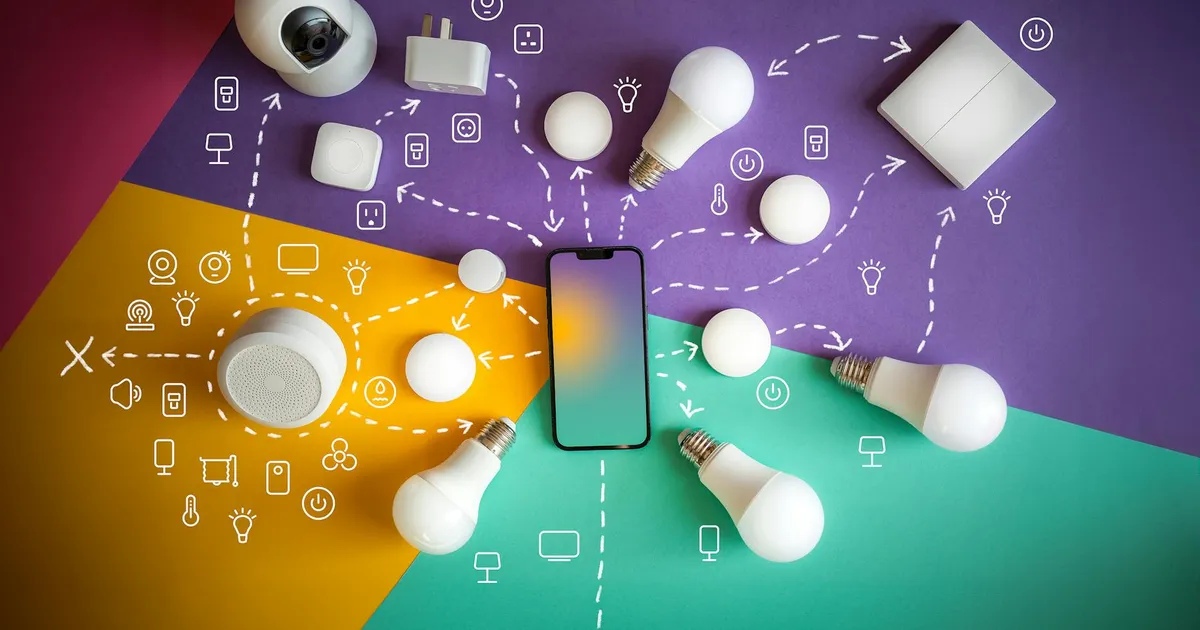
The Internet of Things (IoT) is expanding rapidly, connecting a vast array of devices to the internet, from smart home appliances to industrial sensors. This interconnected network generates massive amounts of data that can be used to improve efficiency, automate processes, and create new services. The evolution of IoT is driven by advancements in sensor technology, wireless communication, and cloud computing.
One significant trend in IoT is the increasing use of edge computing, which involves processing data closer to the source rather than sending it to a central server. This reduces latency and improves real-time decision-making. Additionally, 5G technology is enabling faster and more reliable wireless communication for IoT devices, supporting more complex and data-intensive applications. As IoT continues to grow, it will transform industries and create new opportunities for innovation in areas such as healthcare, transportation, and manufacturing.
5G and Beyond: Faster Connectivity

5G technology is the latest generation of wireless communication, offering significantly faster speeds, lower latency, and increased network capacity compared to previous generations. This enhanced connectivity is crucial for supporting bandwidth-intensive applications like streaming video, online gaming, and virtual reality. 5G is also enabling new use cases in areas such as autonomous vehicles, smart cities, and remote healthcare.
Researchers and engineers are already looking beyond 5G, exploring technologies like 6G and terahertz communication. These future networks promise even faster speeds and lower latency, enabling new applications that are currently beyond our reach. As wireless communication technology continues to advance, it will play a pivotal role in shaping the future of the internet and enabling new levels of connectivity and innovation by 2026.
Key Takeaways
- Web3 aims to decentralize the internet using blockchain technology and smart contracts.
- The Metaverse is a shared virtual world combining VR, AR, and digital assets.
- AI is transforming the internet through automation, personalization, and enhanced security.
- Advanced cybersecurity measures are crucial for protecting against increasingly sophisticated cyberattacks.
- The Internet of Things (IoT) connects a vast network of devices, generating valuable data.
- 5G and beyond offer faster connectivity, enabling new applications and innovation.
Frequently Asked Questions

What is the main difference between Web2 and Web3?
Web2 is characterized by centralized platforms controlled by large corporations, while Web3 aims to decentralize power back to users through blockchain technology and user ownership.
How secure is blockchain technology?
Blockchain is highly secure due to its distributed nature and cryptographic encryption. Each transaction is verified by multiple nodes on the network, making it difficult to tamper with data.
What kind of experiences can I expect in the Metaverse?
In the Metaverse, you can expect immersive experiences such as socializing with friends, attending virtual events, playing games, working in virtual offices, and conducting business using digital assets.
How is AI improving cybersecurity?
AI is improving cybersecurity by automating threat detection and response, identifying unusual activity, and analyzing vast amounts of security data to predict and prevent cyberattacks.
What are some real-world applications of the IoT?
Real-world applications of the IoT include smart home automation, industrial monitoring and control, healthcare monitoring, transportation management, and environmental sensing.
Conclusion
The next-generation internet technologies are set to transform how we interact with the digital world. From Web3 and the Metaverse to AI-powered networks and enhanced cybersecurity, these innovations promise to create a more immersive, secure, and personalized online experience. Embracing these advancements and understanding their potential impact will be crucial for individuals and businesses as they navigate the future of connectivity. Keep exploring and stay informed as the internet continues to evolve.